.svg)


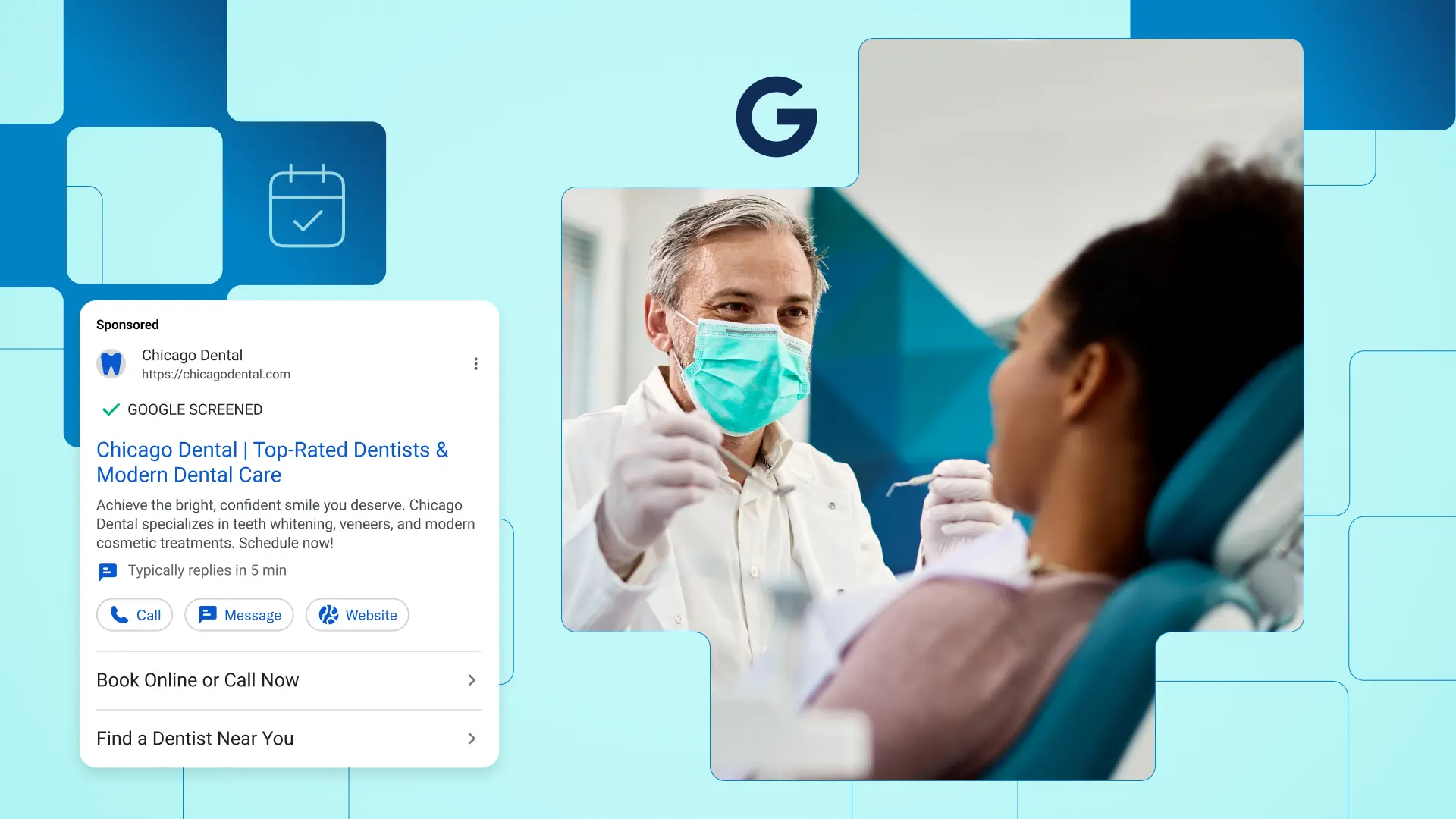
In 2026, the U.S. healthcare industry is navigating a transformative and complex landscape. While accelerating AI adoption and the aging Baby Boomer demographic continue to fuel growth, sweeping policy shifts from the second Trump administration have introduced new variables for providers and marketers alike.
The "savvy" patient of the post-pandemic era has evolved into a demanding consumer who expects hyper-personalized, instant service. Healthcare organizations that fail to deliver seamless, AI-augmented experiences risk falling behind the competition.
Below, we’ll dive into these trends in more detail, and share how leading healthcare providers use conversation intelligence solutions to drive sustained growth in today’s climate.
1. Digital Ad Spend Will Reach New Heights
According to eMarketer, healthcare digital ad spending is projected to surpass $24 billion in 2026. This marks an all-time high for the industry, and marketers will face fierce competition to cut through the noise.
As the digital advertising landscape continues to become more competitive—and cost per lead continues to rise—healthcare marketers will face increasing pressure to defend their marketing spend and prove the full ROI of their campaigns to stakeholders.
2. Baby Boomers Are Aging into Longterm Care, Increasing Demand
In 2026, the youngest Baby Boomers will turn 62, and the oldest will reach 80. This demographic represents a sizable portion of the population, and as they age, they’ll need specialized medical care for health issues like cardiovascular disease, diabetes, arthritis, and dementia. They’ll also require access to healthcare services like assisted living, home healthcare, and hospice care.
3. Increased Focus on Privacy and HIPAA Compliance
The infamous 2022 HHS memo has been replaced by a "two-tier" regulatory standard following the 2024 AHA v. Becerra court decision. A federal judge ruled that HHS exceeded its authority by classifying the combination of an IP address and a visit to an unauthenticated public webpage as protected health information (PHI). Going forward, only visits to authenticated pages are classified as PHI.
This landmark case effectively vacated the most restrictive portion of the government's guidance, clarifying that metadata collected from public-facing websites—where no login is required—does not automatically trigger HIPAA obligations unless it is coupled with specific, identifiable health data.
Though this gives healthcare marketers some leeway with online tracking, they must still navigate a complex patchwork of state laws, such as the CCPA and CPRA in California. To maintain performance, leading brands are investing in HIPAA-compliant first-party data platforms that allow them to track conversions without relying on the tech giants' non-compliant pixels.
4. The OBBBA Will Increase the Number of Uninsured Patients
The One Big Beautiful Bill Act (OBBBA), enacted in July 2025, represents a seismic shift in healthcare policy that replaces broad federal support with stricter eligibility and localized fiscal responsibility. For healthcare marketers, the OBBBA is not just a regulatory hurdle—it is a fundamental disruption of the patient acquisition funnel. By cutting an estimated $1 trillion in federal Medicaid funding over the next decade and ending enhanced ACA subsidies, the law is projected to leave nearly 14 million Americans uninsured. This can create a "leaky bucket" in marketing ROI, where high-intent leads may suddenly find themselves without the coverage needed to convert into paid appointments.
5. Staffing Crises Met with AI "Relief Valves"
The chronic healthcare staffing shortage has worsened due to an aging workforce and burnout. To do more with less, healthcare systems are deploying AI-powered SMS and voice agents to act as a digital relief valve.
These agents handle the "busy work" of appointment rescheduling and FAQ, ensuring that wait times stay low even when physical staff is lean. This technology allows organizations to maintain high conversion rates without overextending their clinical and administrative teams.
With the advent of tools like ChatGPT Health, patients are becoming more accustomed to interacting with AI for their healthcare needs. In fact, many actually prefer it, due to its ability to provide instant assistance around the clock.
6. More Patients Read Reviews Before Selecting a Provider
According to research, online reviews now shape a whopping 73% of patient decisions. Once a patient has converted, their input on your healthcare services is invaluable when it comes to convincing others to choose you as well. Reviews provide an outlet for your current patients to, hopefully, advocate for you and develop a deeper sense of trust with those who are on the market. Your patients will have the opportunity to discuss topics like appointment punctuality, the level of care they received, how attentive their physicians were, and more.
Remember, reviews can be a blessing and a curse (even if you do everything right by the patient) so review management is just as important as making them available. Be sure to respond professionally to disgruntled patient reviews to de-escalate.
7. Patients Will Demand Seamless Omnichannel Experiences
Healthcare patients expect the same seamless, personalized experiences they get from retailers—and if you don't deliver, they'll find a provider who will. The data is clear: 82% of patients would switch providers after just one bad experience.
To compete effectively, healthcare organizations must embrace personalization across every touchpoint—creating seamless transitions as patients move from online research to phone calls to in-person visits. This means meeting them with relevant context at each step: serving the right email flows to meet their needs, automatically routing their call to their nearest clinic location, or having appointment schedulers who already know what brought them to your website. When patients feel known and valued throughout their journey, loyalty follows.
5 Ways You Can Use Conversation Intelligence to Capitalize on Healthcare Marketing Trends
The trends above paint a bigger picture of how healthcare patient behavior is changing. In 2026, patients have higher experience expectations than ever before. They want every interaction to be tailored to their needs, regardless of which channels they use to engage with providers. This includes their interactions over the phone, a channel that is often overlooked. Failing to deliver frictionless call experiences will cost you patients.
Below, we’ll cover some ways healthcare providers use conversation intelligence to create seamless digital-to-call experiences that build patient loyalty.
1. Understand the Marketing Sources Driving Phone Leads
HIPAA- and PCI-compliant conversation intelligence solutions like Invoca allow you to understand the webpages, marketing campaigns, and keywords driving not only the most calls, but the highest quality calls to your agents and locations. This allows you to optimize your marketing spend for the programs that are truly driving the most new patients. It also allows you to defend your marketing spend to your leadership team by proving your full impact on revenue.
For instance, a certain elective surgery may be driving a high volume of calls to your locations. However, once you use a conversation intelligence solution, you may discover many of these calls are not appointment-related—they’re billing issues. You could then decrease spend on this campaign, and instead allocate it to one that’s driving more appointment-related calls. This increases the overall revenue potential and quality of the calls coming into your phone lines.
2. Detect Issues Impacting Your Call Conversion Rates
Conversation intelligence solutions like Invoca help you create seamless call experiences that increase patient acquisition. They provide detailed reports on answer inbound call rates and call handling performance at each location or call center that you can use to detect patient experience issues.
For example, you can see if your calls are going unanswered at specific locations and what days and times those unanswered calls occur. You can then diagnose if your marketing is sending calls to locations when they are closed or understaffed, and make adjustments.

3. Use AI to identify trends from phone conversations
Phone calls are one of the richest sources of patient data, but it’s difficult for marketers to unlock these insights — listening to every call isn’t feasible or scalable. Invoca solves this problem by using AI to capture insights and identify trends from your phone conversations at scale.
- Know what you’re looking for? You can use Signal AI Studio to automatically detect your chosen conversion events, call outcomes, and other important conversational topics as soon as they happen. You then can stream and activate your conversation data across hundreds of platforms as soon as the call ends.
- Not sure what to search for? Invoca’s Signal Discovery uses unsupervised machine learning to group patient conversations into topics so you can easily identify trends from tens of thousands of conversations and take action on them in real time.
You can use these insights to streamline your operations in a variety of ways. For example, your marketing team can update their messaging to align with the way your patients are speaking about your product, or add new keywords to their SEO strategy. Your contact center managers can track how well agents stick to their talk tracks, and coach them more effectively.
Additionally, your operations team may learn about new opportunities to improve the patient experience. For example, Spectrum Retirement Communities used Invoca’s AI during the height of the COVID-19 pandemic to understand resident concerns and adapt its response strategy accordingly.
4. Automatically route callers to the most qualified agent
If your contact center is like most, you’re facing high call volumes and a lack of resources. This can harm patient satisfaction and close rates, as callers are forced to endure long hold times and multiple transfers.
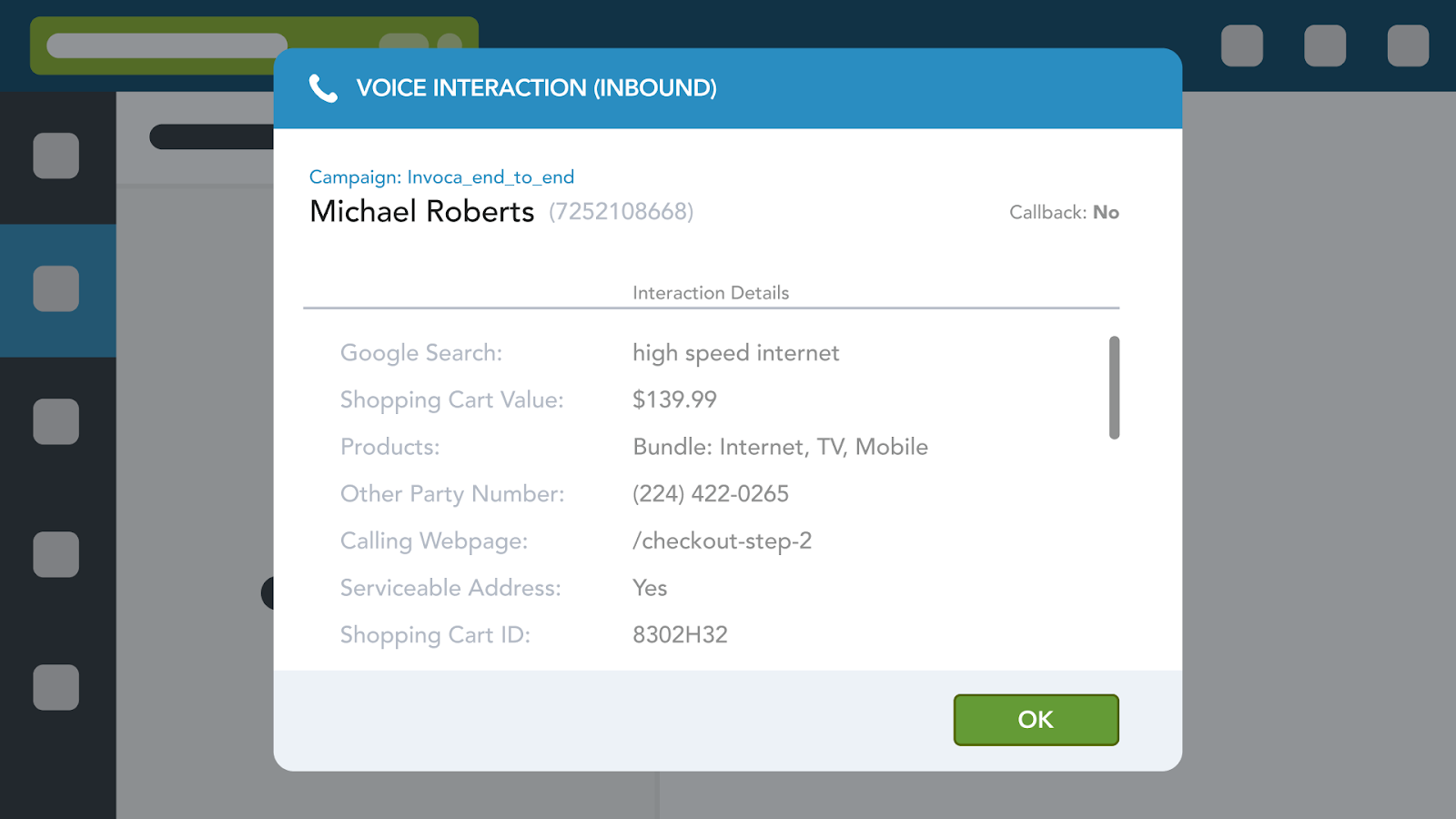
Thankfully, conversation intelligence can solve this all-too-common problem. By using data from the caller's digital journey before the call, the platform can automatically route callers to the agent best equipped to handle their inquiries. It can also give the agent relevant information about the caller’s digtial journey via a screen pop so they can answer with a personalized greeting. This not only enhances the patient experience by providing timely and relevant assistance, but also increases the likelihood of conversion by ensuring that every interaction is handled with expertise and care.
5. Use AI messaging agents to help with appointment scheduling
When a prospective patient calls after hours or during a peak-volume surge and reaches a voicemail or a long hold queue, they're likely to hang up and call a competitor. By deploying Invoca’s AI Messaging Agents, you create a 24/7 safety net that captures intent the moment a call can’t be answered. Rather than a "we'll call you back" promise that often goes unfulfilled, these agents can step in via text to handle high-intent tasks like booking, rescheduling, or answering basic FAQ.
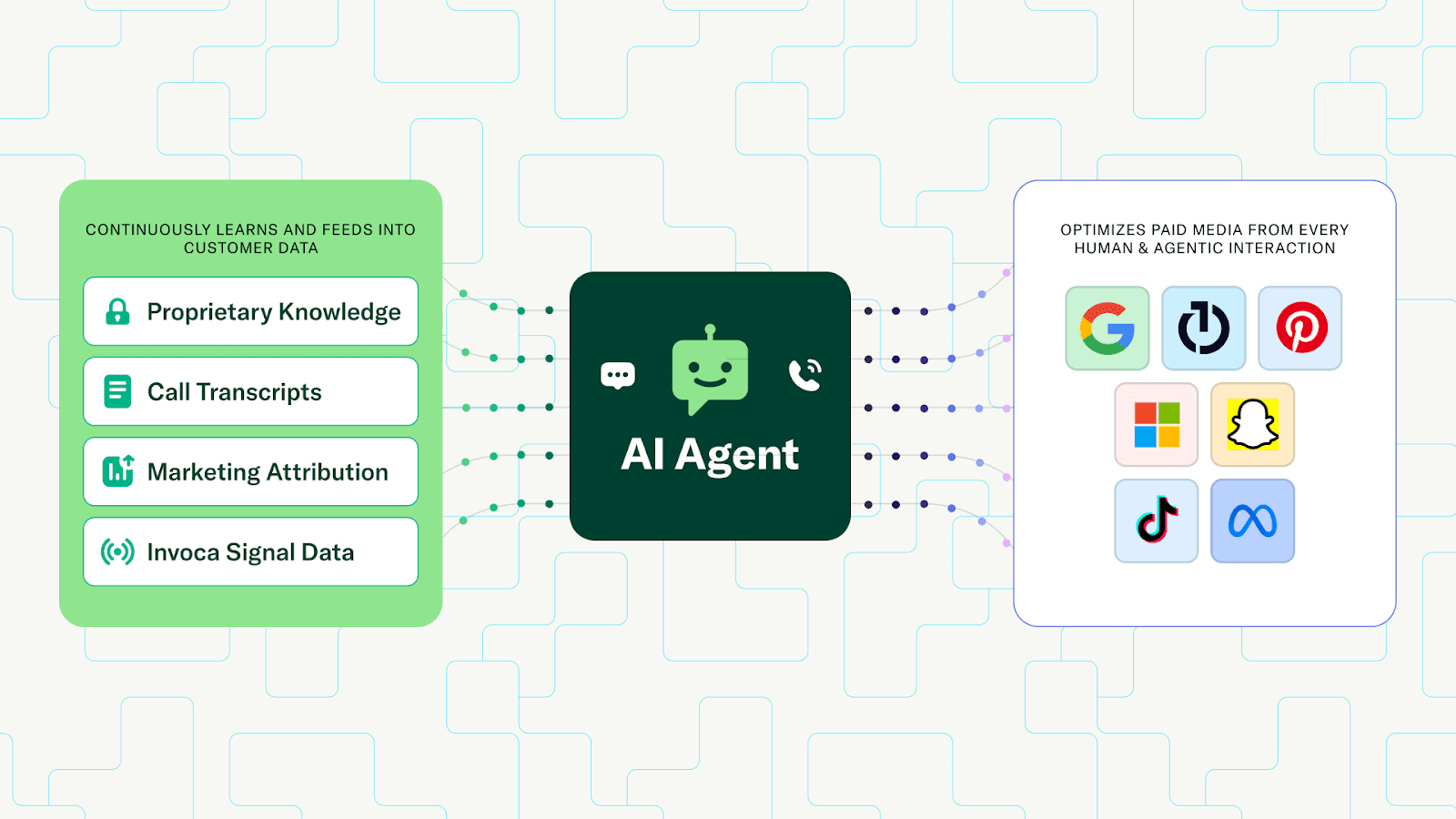
What sets these agents apart from a traditional chatbot is their grounding in your real-world data. They are trained on your best human agents’ successful calls, ensuring every text interaction is on-brand and empathetic. Furthermore, because they're fed digital journey data, the agent already has the context of what the patient was searching for or viewing on your site. This allows for a seamless, personalized conversation that drives a conversion instead of a frustrated hang-up.
Additional Reading
Want to learn more about how Invoca helps healthcare providers use Invoca to create seamless patient experiences? Check out these resources:
- Innovative Healthcare Marketing Ideas to Boost Your Strategy
- How to Personalize the Patient Journey with Conversation Intelligence
- Healthcare Marketing Compliance with Conversation Intelligence

.svg)
.svg)