.svg)


Phone calls are the lifeblood of patient acquisition for most healthcare organizations, even in a digital-first world. While you're investing thousands — perhaps millions — in digital marketing, appointments are often set when a lead who engaged with your ads or website picks up the phone.
That’s why we created the Invoca Healthcare Industry Benchmarks Report, which analyzes insights our AI captured on over 60 million phone calls and 500 million minutes of conversations. It provides performance benchmarks for the healthcare industry so you can see how effective different digital marketing channels are at driving and converting phone leads.
Whether you're a CMO looking to maximize digital marketing ROI, a sales leader working to improve conversion rates, or a CX professional driving seamless patient experiences, the tactics we’ll cover here will help keep you ahead of the competition.
1. Drive More High-Quality Leads to Call
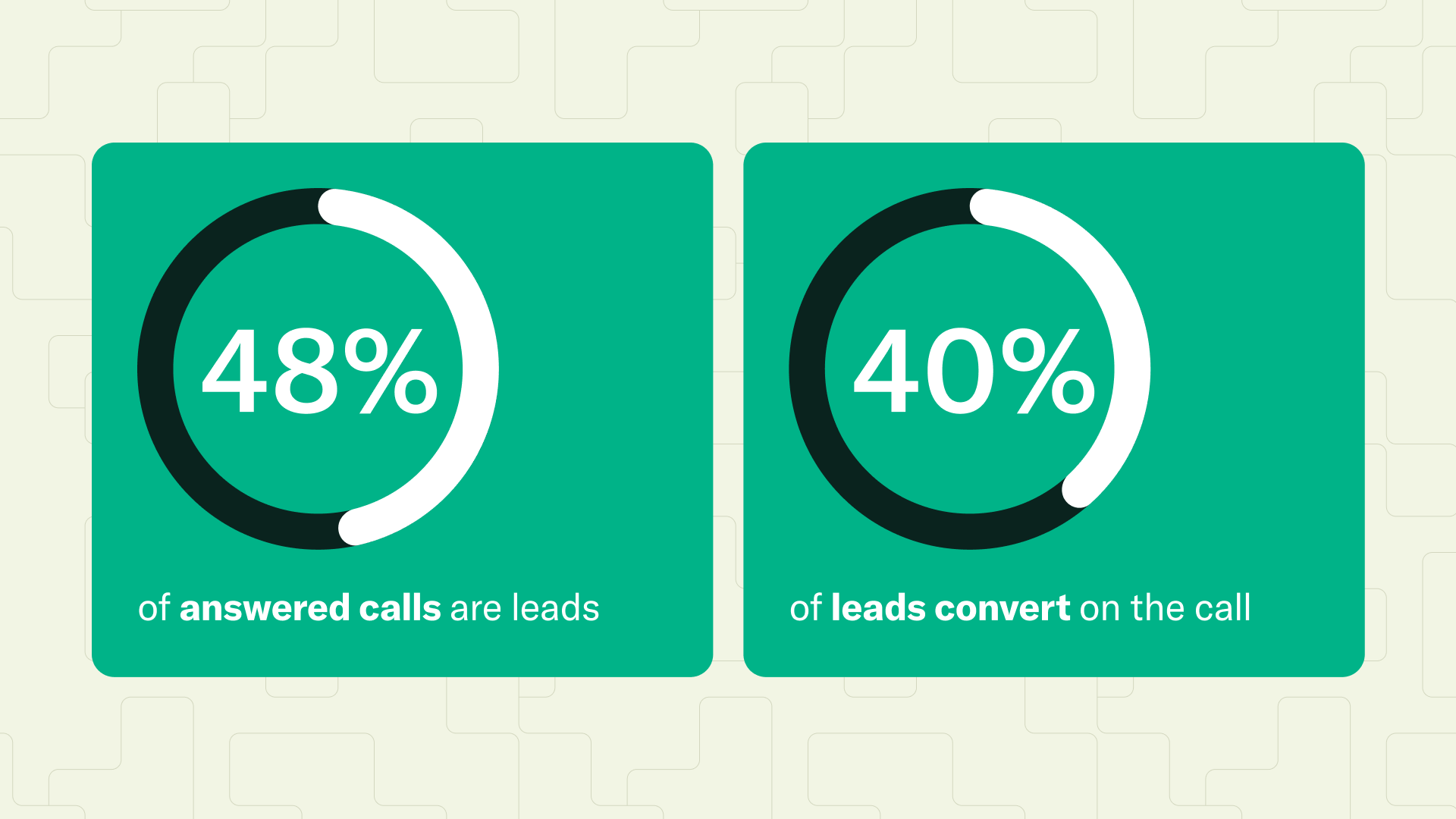
Driving more leads is the obvious part, but understanding which calls represent new patient opportunities is crucial for both marketing efficiency and conversion effectiveness. Our data reveals that in the healthcare industry, 48% of calls answered by a person are leads, and of those leads, 40% convert on the call.
For healthcare marketing leaders, this data is crucial for accurately calculating campaign performance and return on ad spend. For contact center and patient acquisition leaders, it provides the baseline for measuring the effectiveness of your agents and reception staff at converting phone leads and identifying coaching opportunities.
Refer to the industry benchmarks in the full report here to see how you compare to your peers and identify opportunities to enhance your performance.
If your phone lead rates fall short of healthcare industry benchmarks, you may have a marketing efficiency issue. You should investigate if your paid media is the cause — perhaps you are investing in channels and campaigns that aren’t driving the right calls.
Additionally, if your call conversion rates are lower, it may indicate that frontline staff at office locations or contact center agents aren’t saying the right things to callers to convert them. Using AI conversation analytics to gain insight into their call handling can help you detect and correct issues that are costing you patients.
The following tactics will help you use this data to optimize your lead and conversion performance.
5 tactics to drive more high-quality phone leads
1. Benchmark performance across marketing channels
First, measure phone lead and conversion rates across all marketing channels to understand their impact on your business and what’s driving the best results.
2. Shift ad spend to high-performing channels
Once you identify what's working, reallocate marketing budget to the paid channels, campaigns, and keywords driving the most leads and conversions at the best ROAS.
3. Pass phone lead and conversion data to ad platforms
Share phone lead and conversion data with your digital advertising platforms to enable more effective automated bidding and audience targeting.
4. Route callers based on intent
Utilize call routing that considers digital intent signals to connect leads with locations or specialists best suited to assist them, while routing non-lead calls to the corresponding queues.
5. Arm agents with caller context
Provide agents with data on the digital marketing source that drove the call and the caller's pre-call website activity, helping agents personalize conversations and improve appointment set rates.
2. Optimize Google Ads to Drive Qualified Phone Leads
Google Ads remains the most important digital advertising channel for driving conversions. Improving phone lead and conversion rates from your Google search ads — even by a small percentage — can have a big impact on business results, bigger than any other paid channel.
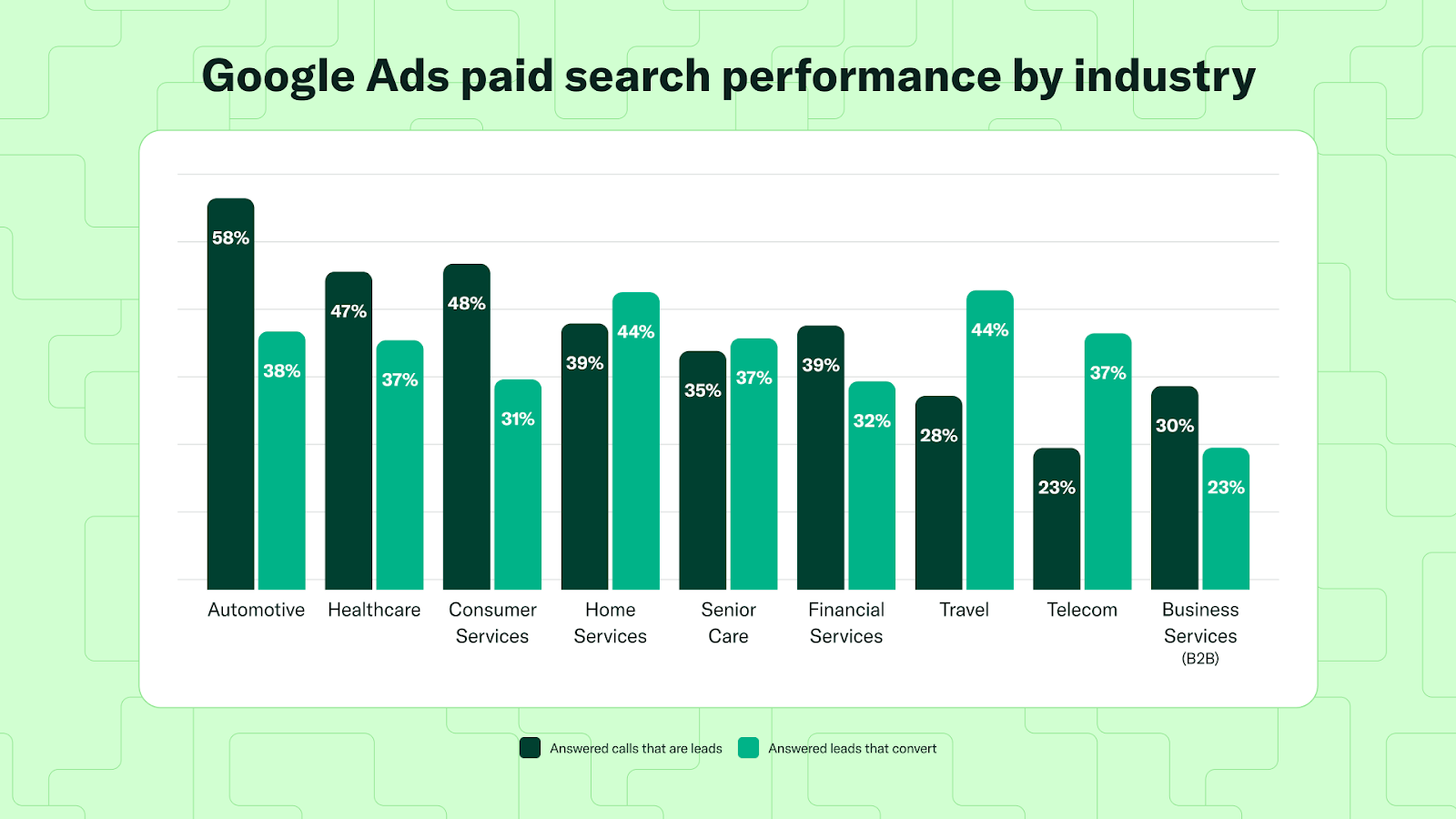
If your results from Google Ads paid search are lower than others in your industry, consider the strategies below to improve your efficiency and increase ROAS.
5 Tactics to Improve Google Ads Phone Lead Performance
1. Shift ad spend to the keywords driving the most valuable calls
Identify which keywords are generating qualified phone leads and appointments, then reallocate budget from underperforming keywords to these high-value terms. Precision targeting ensures your budget is concentrated where it delivers the greatest return.
2. Use phone lead and conversion data to fuel better results from smart bidding and Performance Max
Feed your call data back into Google's automated bidding algorithms to help them optimize for calls that actually convert into appointments or sales. This allows your automation to get smarter with each campaign, continuously improving performance.
3. Retarget phone leads that didn't convert
Increase conversions and revenue by creating specific audience segments from callers who are leads but didn't convert. These in-market audiences are often your most valuable — don’t let them go to your competitors.
4. Suppress non-lead and converted calls from seeing ads
Exclude callers who have already converted or called for non-appointment reasons from your targeting. This can dramatically reduce wasted ad spend and improve campaign efficiency.
5. Add your most valuable calls to lookalike campaigns
Create lookalike audiences based on your highest-value callers to find more prospects with similar characteristics and behaviors. This expands your reach to new potential customers who match the profile of your best callers, efficiently scaling your patient acquisition efforts.
3. Improve Call Answer Rates
Picture this: Your perfectly targeted digital ads have done their job. A potential patient is interested enough to pick up the phone and call you, only to be met with endless ringing or a confusing IVR. Not only have you wasted your precious marketing budget getting that phone to ring, but you've also lost a patient — perhaps forever — to a competitor that answered their call.
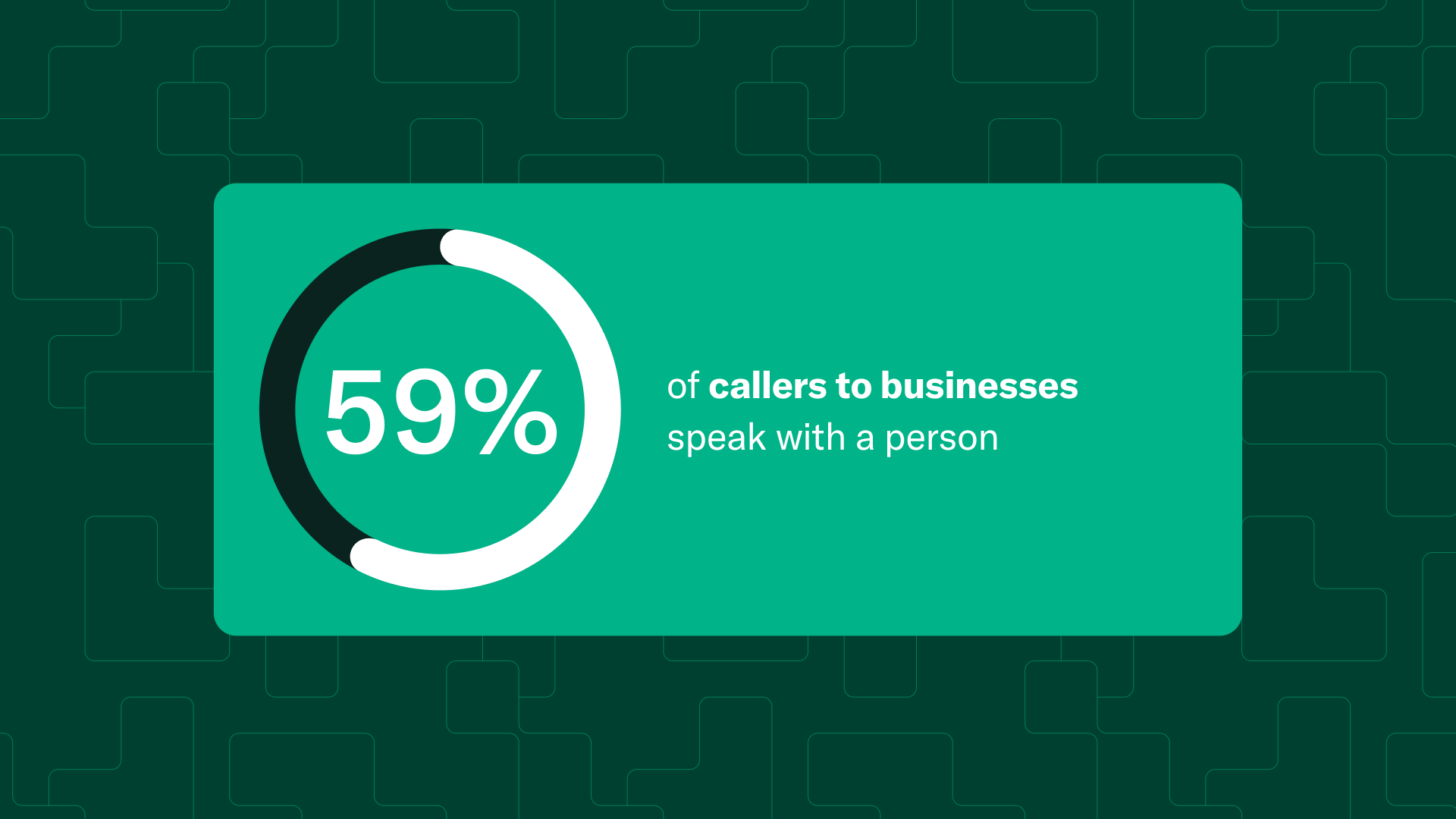
Our analysis found that 59% of calls to healthcare providers are answered by a person. Your call answer rate isn't just another metric — it's the crucial first hurdle in your patient acquisition process. When calls go unanswered, it creates a devastating ripple effect: marketing ROI plummets, patient frustration spikes, and revenue opportunities vanish.
5 tactics to improve call answer rates
Low answer rates can signal deeper issues like understaffing, confusing IVR systems, poor call routing, or misalignment between marketing and acquisition teams.
If you fall significantly below the healthcare industry benchmark, it indicates an opportunity to capture additional revenue by improving call handling and optimizing marketing. You can consider the following strategies to improve your call answer rates.
1. Monitor how your business answers calls
First, identify which contact centers or provider locations are struggling to answer calls. Then you can drill down into the specific days and times when missed calls occur to determine the cause. Are missed calls primarily occurring when calls are closed, or is there an issue with answering calls during business hours?
2. Use missed call data to optimize staffing
If missed calls occur during business hours, compare missed call rates to overall call volume for those days and times to identify times when you may be understaffed and adjust resources accordingly.
3. Pause paid media ads during closed hours
If your business cannot assist callers when closed, consider pausing paid advertising that drives high call volumes during non-business hours.
4. Simplify your IVR experience
Complex IVRs with excessive promotional messages or overly complex choices can frustrate callers and increase abandonment rates. Streamline your IVR to connect callers with assistance faster, especially if they’re looking to set an appointment. Better yet, route high-intent callers directly to agents to skip the IVR.
5. Implement ring group routing
Reduce missed calls by routing high-intent callers to a list of phone numbers sequentially, simultaneously, or via round-robin until someone answers.
4. Use Automated AI SMS Messaging to Progress and Convert Leads 24/7
Nearly 80% of customers buy from the first company to respond, and after one hour, the odds of qualifying a lead drop by 80%. Your provider offices and call centers may not be open 24/7, and hold times can be long during peak hours. Patients are increasingly impatient, though, so you need to use every channel available to convert more leads into customers.
By using automated, AI-powered SMS like Invoca’s AI Messaging Agent, you can engage patients immediately via SMS, so you are always first to the conversation and first to the appointment. You can respond to every patient the moment they reach out, whether that’s after a call, an abandoned form fill, a visit to a web or landing page, or an ad click.
Invoca’s AI Messaging Agent enables you to convert leads faster by engaging high-intent patients the instant they reach out. And when leads stall — whether after a missed call, an abandoned form, or a long hold time — AI Messaging Agent keeps the conversion path open. It uses in-depth knowledge of your business from call transcripts, digital journey data, and past patient interactions to ensure every exchange is accurate, personalized, and on-brand. Learn more about how our AI Messaging Agent works here.
5. Improve Call Experiences to Convert More Leads
When it comes to converting leads into patients, it's not just about answering the call—it's about how effectively your contact center agents and location staff engage with prospects, address their needs, and guide them toward getting the care they’re seeking.
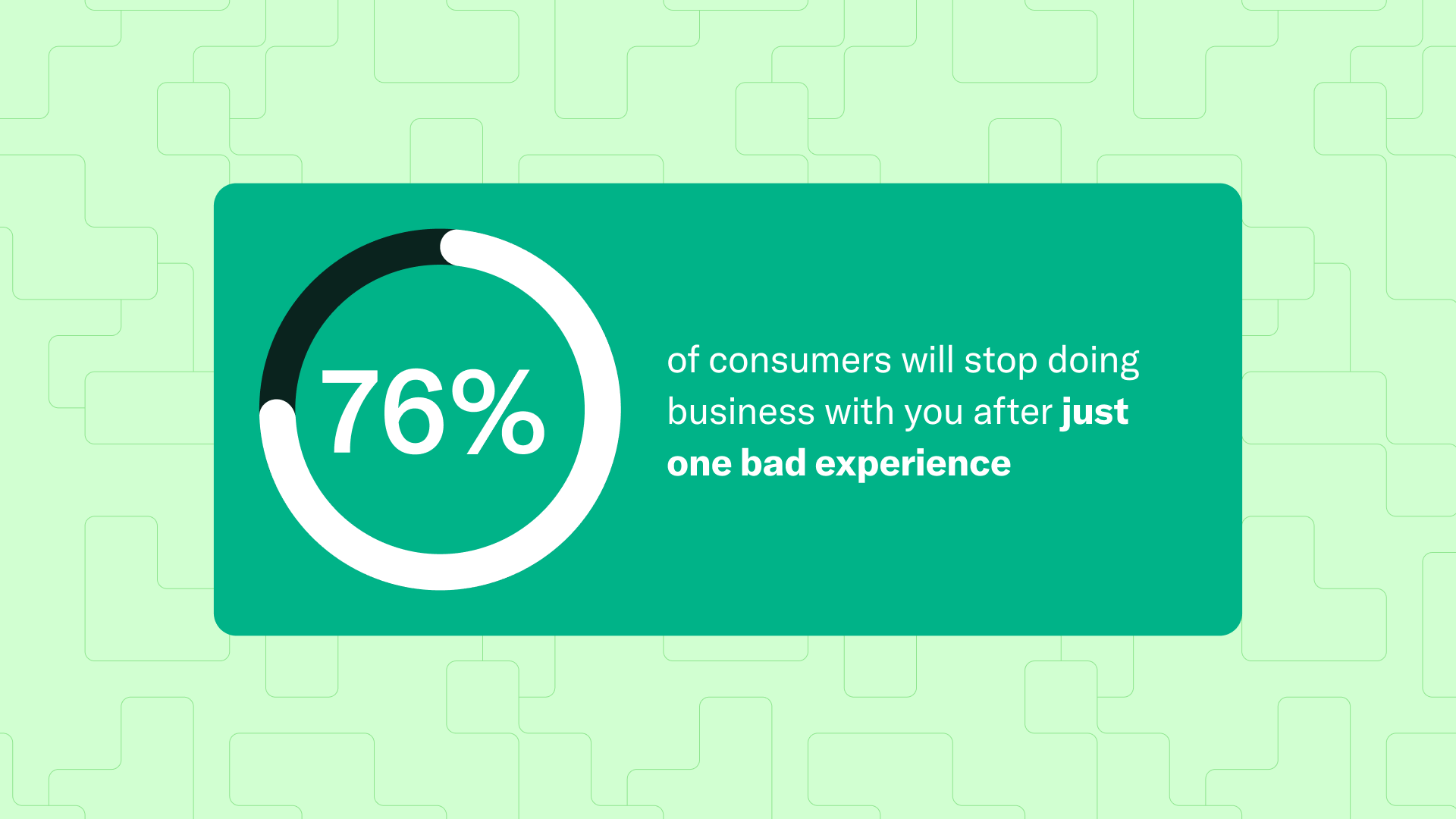
Call handling quality directly impacts both immediate conversions and long-term patient relationships. In fact, Invoca research shows that 76% of consumers will stop doing business with a provider after just one bad experience, making every conversation a critical moment of truth for your business.
Our analysis evaluated how often healthcare providers are correctly handling phone leads. It examined eight key call handling metrics to identify the behaviors they excel in, the outcomes of calls, and how they rated the performance of the agent or location staff.
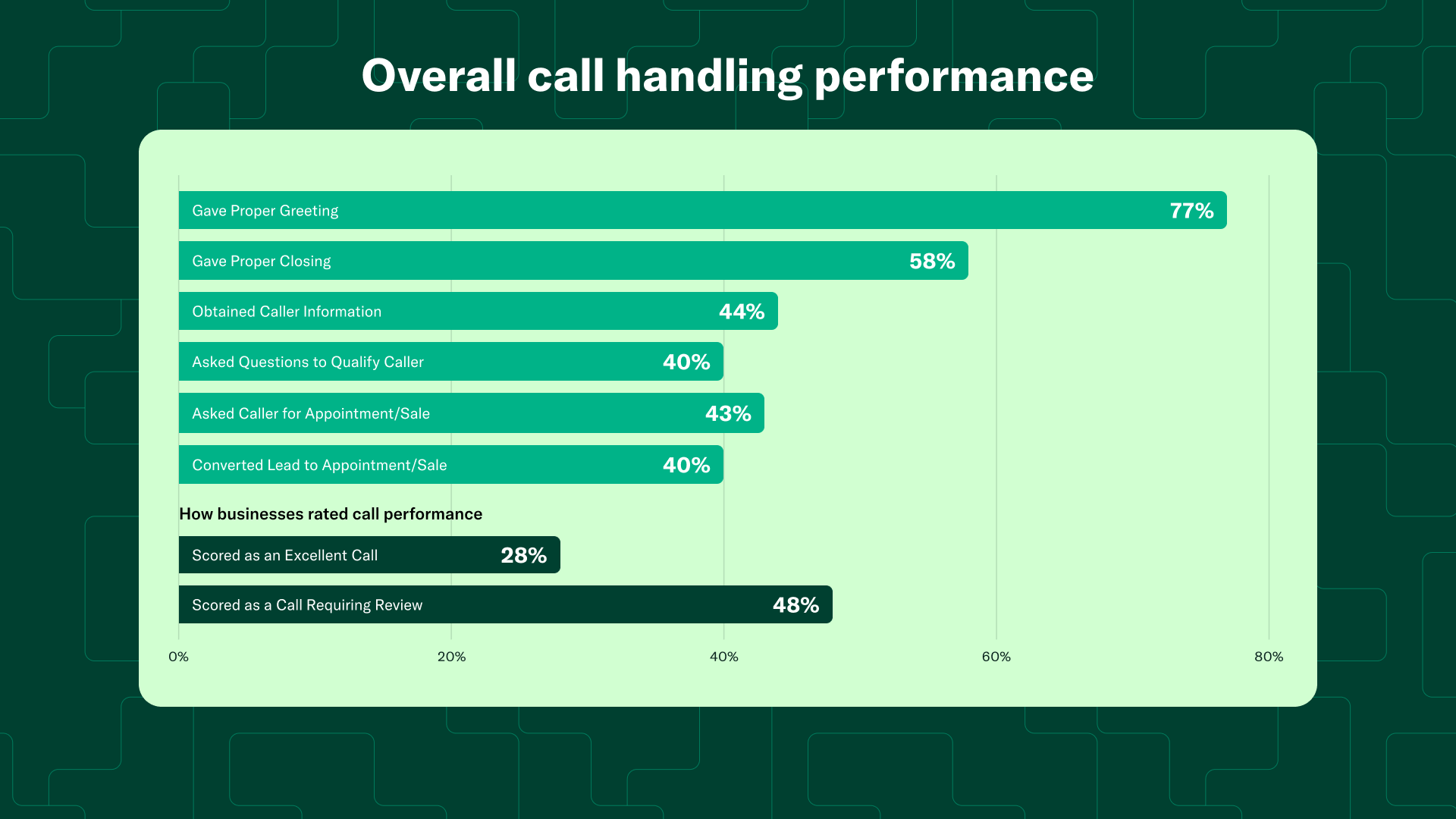
See the full report to see how your performance compares to others in your industry.
5 tactics to improve call handling performance
If your business's metrics are lower than healthcare industry benchmarks — or if you lack this level of insight into how your contact centers or provider locations are handling phone leads — follow the tactics below to drive improvements.
1. Score call handling using AI
Implement AI-powered call scoring to analyze 100% of calls and objectively measure agent performance against key metrics.
2. Refine talk tracks based on what works
Use call-scoring data to correlate agent behavior with call outcomes and determine which strategies really work, so you can refine your talk tracks accordingly.
3. Identify specific calls for review
Pinpoint specific conversations where agents or location staff didn't meet standards so you can investigate.
4. Provide targeted coaching to agents
Pinpoint specific conversations where agents or location staff didn't meet your standards and provide targeted coaching. Show them specific moments in calls to illustrate what they could have done differently to improve appointment rates.
5. Monitor patient experience issues
Track metrics such as call transfer rates, hold times, and patient sentiment to identify systemic issues that affect conversion rates.
Learn more about how you can improve call experiences with Invoca’s AI Quality Management here.
Get the Invoca Healthcare Industry Benchmarks Report to see how your performance stacks up to others in your industry and to get more actionable advice to stay ahead of the pack.
.svg)
.svg)