.svg)


Many contact center managers struggle to understand what’s really happening during customer interactions. That’s hardly surprising. There are simply too many conversations — and not enough time — to review them all. Some estimates suggest that contact center leaders regularly review less than 5% of customer interactions.
Customer interaction analytics can help bridge that chasm. By applying artificial intelligence (AI) and machine learning (ML) to calls, chats, and other engagement channels, the process transforms unstructured conversations into structured, actionable data. Combined with call monitoring and transcription, it gives managers visibility into 100% of customer interactions, not just a small sample. That’s the difference between guessing and knowing.
In this article, we’ll break down what customer interaction analytics is, why it matters, and how teams can use it to improve service quality, strengthen individual and team performance, and deliver a better overall customer experience (CX).
Main Takeaways:
- Customer interaction analytics turns unstructured conversations into actionable insights.
- Near real-time analysis helps teams respond faster to customer needs and high-risk interactions.
- Insights from voice and chat data improve agent coaching, customer experience, and operational efficiency.
- AI-powered platforms like Invoca automate quality management, track sentiment, and flag coaching opportunities at scale.
- When used effectively, customer interaction analytics helps contact centers reduce churn, improve key metrics like the Customer Satisfaction Score (CSAT), and connect conversations to revenue.
What Are Customer Interaction Analytics?
Customer interaction analytics is the process of using AI, ML, and natural language processing to analyze unstructured data from customer interactions — such as phone calls, chats, emails, and text messages — at scale.
The goal is to uncover patterns in customer behavior, sentiment, and intent, and turn those insights into actionable data. When applied effectively, customer interaction analytics helps teams improve customer engagement, strengthen relationships, and make more informed decisions across service, sales, and operations.
Why Do Customer Interaction Analytics Matter?
Improving customer relationships is often the starting point, but the real strategic value of customer interaction analytics goes further. These insights can help organizations align contact center and customer service teams with marketing, streamline operations, build more effective agent coaching programs, and improve both customer retention and satisfaction.
AI has made this possible at a new scale and speed. Instead of relying on small samples or delayed reviews, modern customer interaction analytics tools can analyze conversations across channels in near real time. For example, Invoca’s Signal AI automates the analysis of customer interactions across 100% of inbound calls to provide deep, accurate insights that help improve business outcomes.
How Customer Interaction Analytics Works
Customer interaction analytics uses AI and machine learning to transform unstructured conversations into structured, actionable data — quickly and at scale. This involves the following four processes:
- Transcription, which converts spoken conversations, such as phone calls, into searchable digital text that teams can analyze and review.
- Tagging, which applies labels to key phrases, topics, intent, and sentiment so interactions can be categorized and compared across channels.
- Scoring, which evaluates conversations against predefined criteria to support quality management, monitor compliance, and measure customer satisfaction.
- Pattern recognition, which analyzes large volumes of interaction data to identify recurring themes, surface trends, and highlight emerging issues before they escalate.
Together, these processes give teams a clear, data-driven view of what customers are saying, and why it matters.
Types of Insights You Can Uncover and How to Use Them
There are at least four types of insights that customer interaction analytics can quickly and easily bring to light. They are:
1. Operational and Efficiency Trends
These insights highlight friction points such as long hold times, frequent transfers or escalations, and repeat customer contacts across channels. When analyzed at scale, patterns like these often reveal operational inefficiencies that don’t show up in standard dashboards.
Using tools like Invoca, managers can see where breakdowns occur and take targeted action—optimizing call routing, reducing friction in interactive voice response (IVR) flows, and allocating staff more effectively across contact centers and locations. This not only improves operational efficiency, but it can also drive meaningful cost savings.
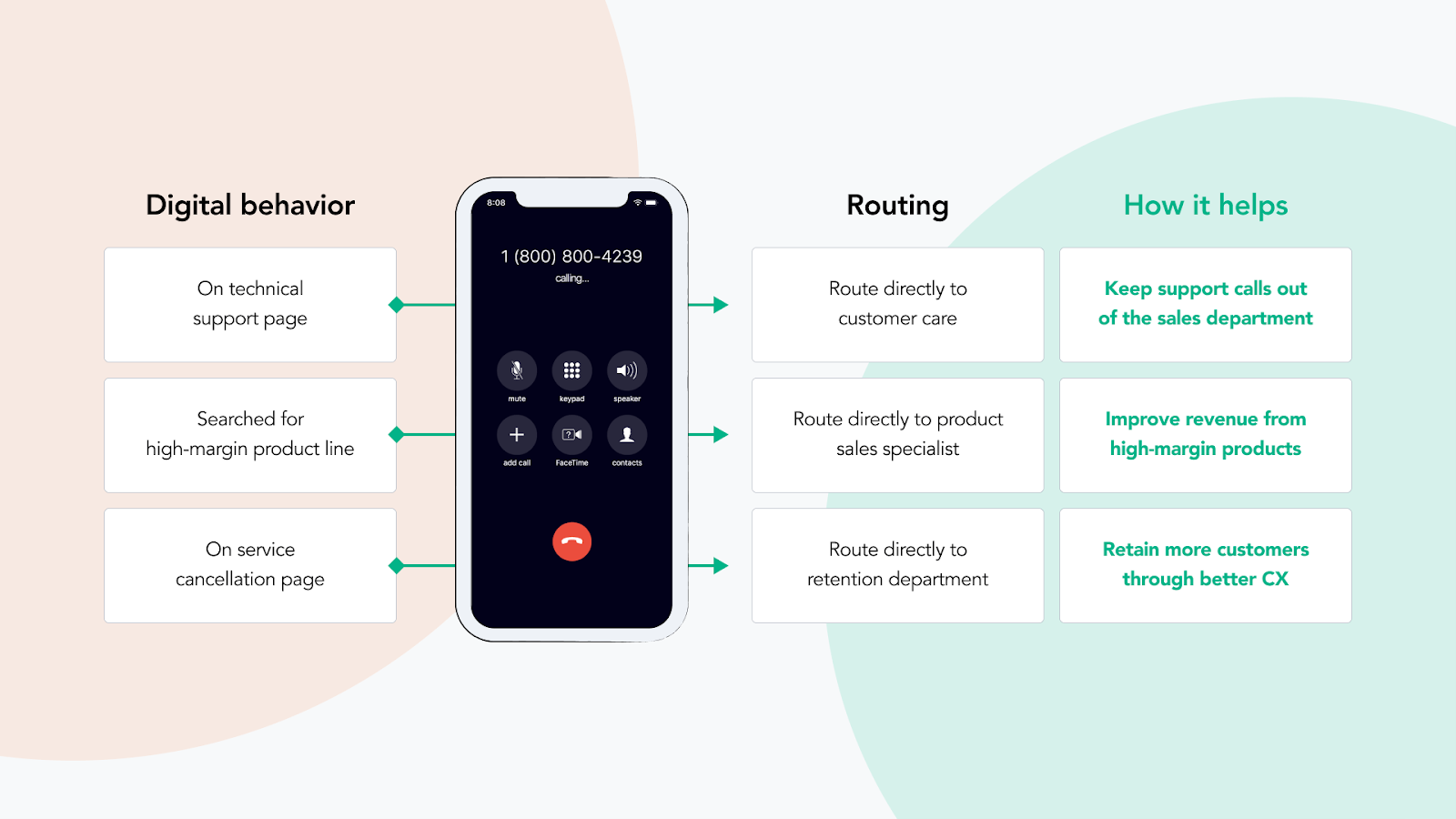
Teams can go even deeper by analyzing time spent on specific call types and recurring issues. Those insights can inform updates to processes, FAQs, or knowledge bases, helping teams to prevent repeat problems and making future interactions smoother for customers.
2. Customer Sentiment and Pain Points
Customer sentiment includes signs of frustration, urgency, or confusion in a customer’s language and tone. Pain points are the underlying barriers that create that emotion—often recurring issues such as billing questions, product defects, delays, broken website links, or frequent call escalations.
Such sentiment isn’t just evident in emails, chats, or social media. With AI-powered sentiment scoring, tools like Invoca can surface trends from 100% of inbound phone conversations in near-real time, allowing teams to respond before issues escalate.
When customer interaction analytics reveals recurring sentiment patterns, it often points to broader CX problems. Managers can use those insights to prioritize fixes, focus agent training where it’s needed most, and update scripts, FAQs, or product documentation to prevent the same frustrations from resurfacing.
3. Agent Performance and Coaching Needs
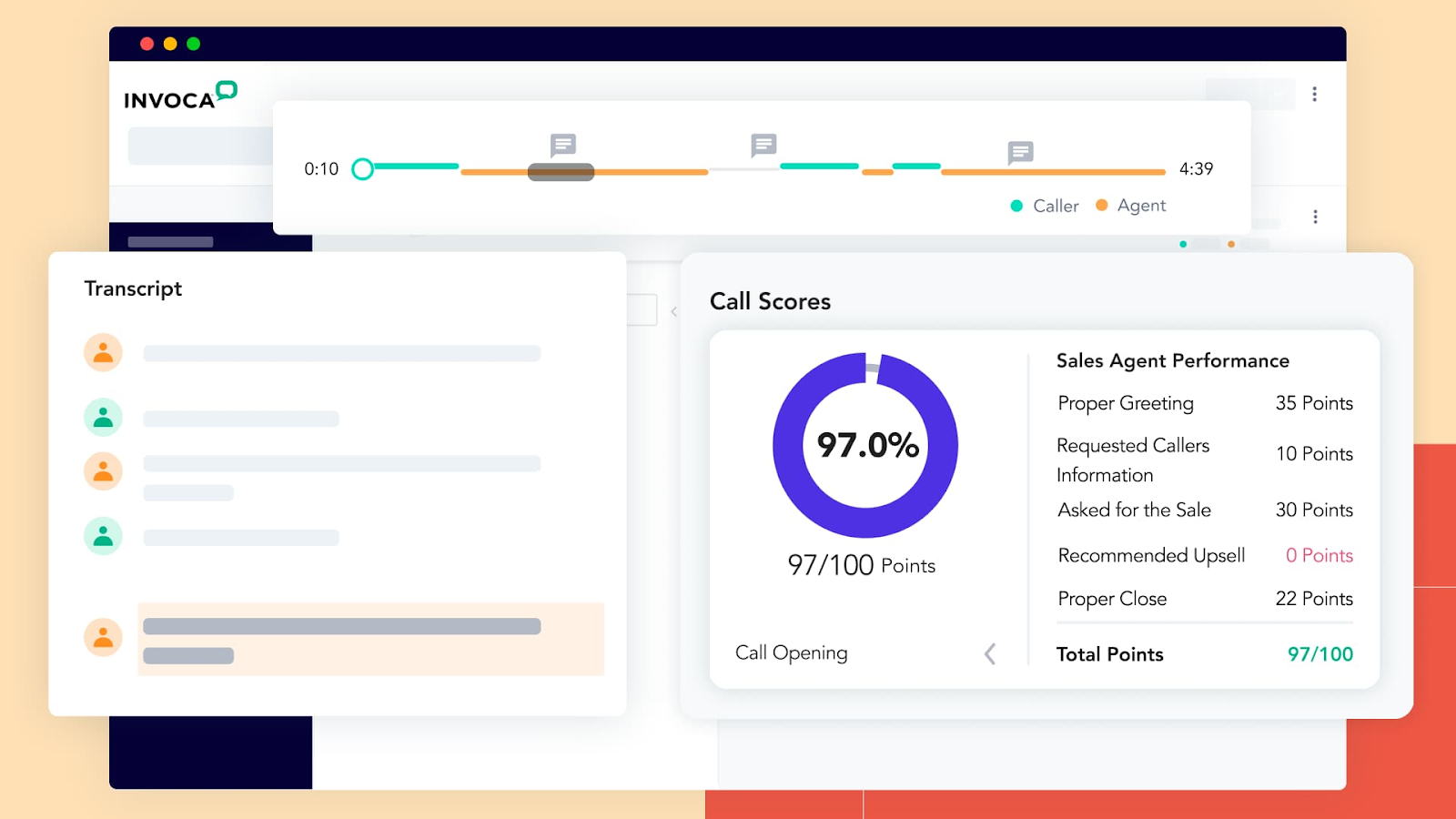
Customer interaction analytics gives managers a clear, objective view of how agents are performing across 100% of customer interactions — not just a small sample. It can show whether agents are following scripts, meeting compliance requirements, and handling conversations consistently.
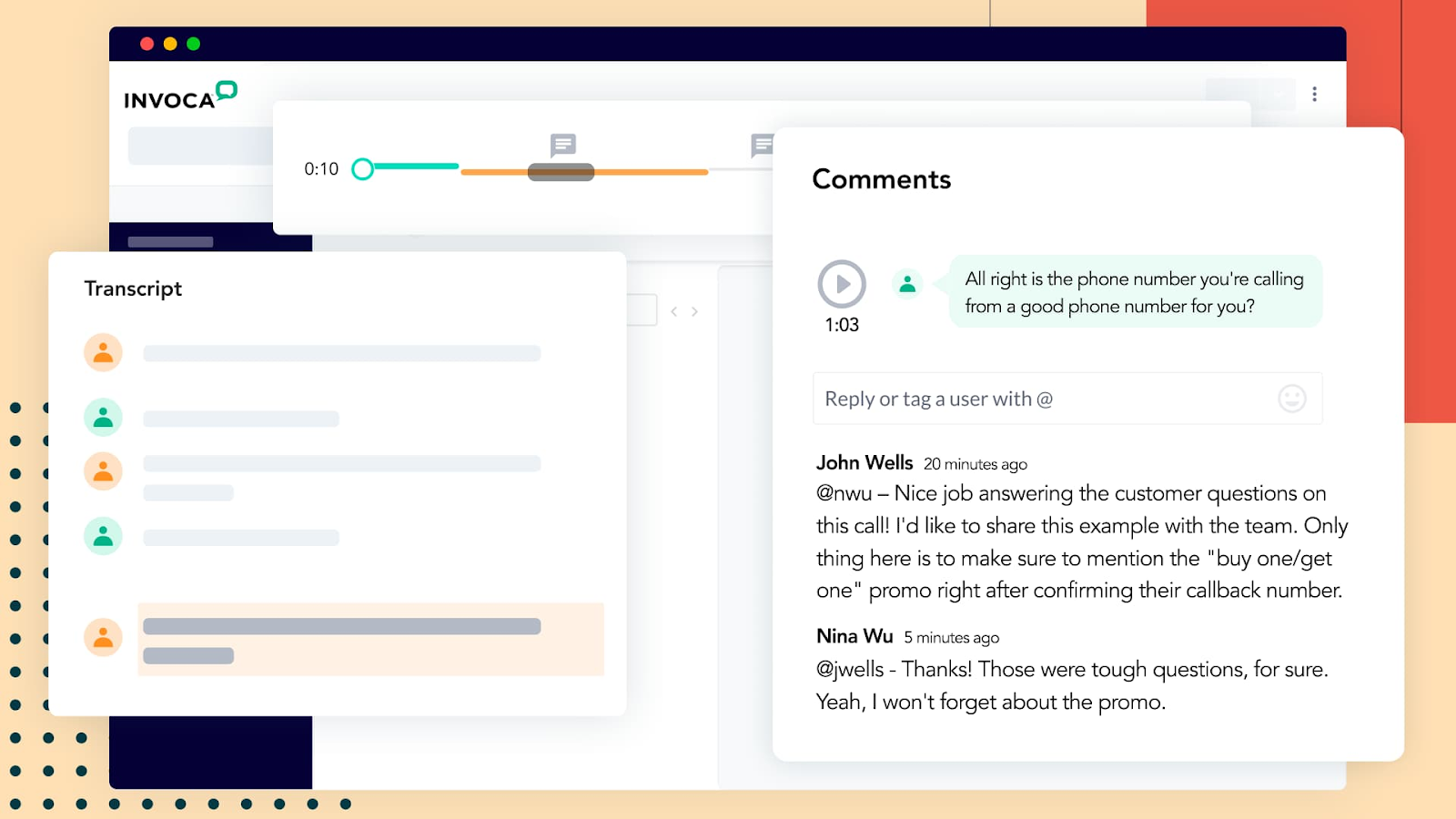
With detailed AI analysis of inbound calls, managers can spot missed escalation cues, rushed interactions, or gaps in how agents respond to customer concerns. These insights make it easier to coach with real-world examples, rather than hypothetical scenarios, and to focus training where it will have the greatest impact.
Because the data reflects all interactions, coaching becomes more targeted and objective. Tools like Invoca can automatically flag coaching opportunities based on changes in sentiment, tone, or quality management scoring, helping managers support agents more effectively.
4. Call Outcomes and Revenue Impact
AI-driven customer interaction analytics doesn’t just expose negatives, like customer frustration or churn signals. It can also highlight positive outcomes such as booked appointments, completed sales, and successful upsells. By analyzing these results at scale, teams can see which conversations drive revenue and where opportunities are being lost.
By tagging call outcomes, managers can tie conversations directly to business impact and the campaigns, agents, or call types driving the most revenue. This data can be streamed into a customer relationship management (CRM) system or marketing platform for better attribution and return on investment (ROI) analysis.
Tools like Invoca help make this connection by tagging calls by intent and outcome, enabling teams to link conversation data directly to revenue systems and optimize marketing and sales performance. Learn more about our customer interaction management solution here.
How to Implement Customer Interaction Analytics
How do you turn customer interaction analytics into reliable, usable insights—not just more data? Start by aligning goals, selecting the right platform, and building a process your contact center can sustain. This approach can help you make progress quickly, even if you’re working with limited time and resources.
1. Define Goals and Data Sources
A successful customer interaction analytics program starts with clear objectives. When goals are vague, teams collect a lot of information without improving outcomes. Begin by defining what you want to achieve, then determine which interaction data will best support those goals — and where that data will come from.
Here’s a simple implementation checklist to help get you started:
- Define your top business goals (for example, improve CSAT, reduce churn, strengthen coaching, or reduce escalations).
- Choose 1–2 initial use cases (such as quality management automation, churn detection, or agent performance improvement).
- Decide which channels to analyze first (phone calls, chat, email, and so on).
- Inventory your existing tools (CRM, workforce management (WFM), call recording, quality management platforms).
- Confirm what data types are available (recordings, transcripts, tags, outcomes, sentiment indicators).
- Involve key stakeholders early — operations, CX, IT, and quality management—so requirements and success metrics are aligned.
2. Select an Analytics Platform
Once you’ve defined and set your goals, it’s time to select the right conversation analytics solution that scales to your contact center team’s specific needs. You’ll want to make sure any platform you choose easily integrates with the rest of your quality management tools, CRM, and relevant WFM systems. It should also have robust security, including data privacy controls, and compliance features such as audit trails.
The platform you select should also be able to capture and analyze 100% of calls, not just a small sampling. An AI-powered platform like Invoca accomplishes this, plus automated transcription, consistent scoring, and tagging of key phrases, sentiment, and outcomes. It can also surface call intent, missed-call trends, and performance gaps across agents and locations, making it easier to prioritize coaching, fix friction points, and improve outcomes.
3. Measure and Optimize
After you select the right platform for your needs, the next step is rollout. From there, the real value comes from ongoing measurement and optimization.
Customer interaction analytics works best when it becomes part of your daily operations: review the data, act on what it reveals, and refine what you’re tracking as priorities evolve. Invoca can support a continuous optimization process with near real-time alerts, tagging, and coaching triggers that make it easier to benchmark performance and respond quickly.
Here’s an optimization checklist to help you stay on track:
- Before deployment, set clear, meaningful benchmarks, such as first call resolution (FCR), quality management scores, and CSAT.
- During deployment, review analytics weekly to spot early trends or pain points.
- Use insights to guide coaching and support ongoing agent development.
- Refine dashboards and alerts as team needs and priorities shift.
- Connect conversation insights to specific initiatives, such as training updates and broader CX improvements.
- Measure and log improvements in agent performance and outcomes over time.
By starting small and continuously optimizing, teams can use customer interaction analytics to drive improvements in performance, CX, and business outcomes.
Unlock Smarter Customer Interactions with Invoca
Every customer interaction contains insight. But when conversations are reviewed selectively — or long after the fact — much of that value is missed or arrives too late to help teams drive meaningful change. Customer interaction analytics closes that gap by giving contact center leaders visibility into what customers are experiencing, what’s driving their behavior, and where teams can improve.
Customer interaction management with Invoca helps contact center teams get closer to the “why” behind customer calls with near-real time insight into intent and sentiment. That visibility supports faster responses to friction, enables more targeted coaching, and helps drive more consistent outcomes across agents and locations.
If your current tools don’t provide the depth of insight and end-to-end visibility you need, it may be time to evaluate alternatives built for customer interaction analytics. Platforms like Invoca can connect online and offline interactions into a more complete view of the customer journey, so teams can improve performance, reduce churn, and deliver better CX at scale.
Additional Reading
If you’d like to know more about how Invoca can help you get the most value from customer interaction analytics and improve call center operations, check out these resources:
- How to Use Micro-Coaching to Improve Contact Center Performance
- AI Contact Center: Benefits, Tools and Real-World Examples
- How to Analyze Call Center Data to Improve Efficiency

.svg)
.svg)