.svg)

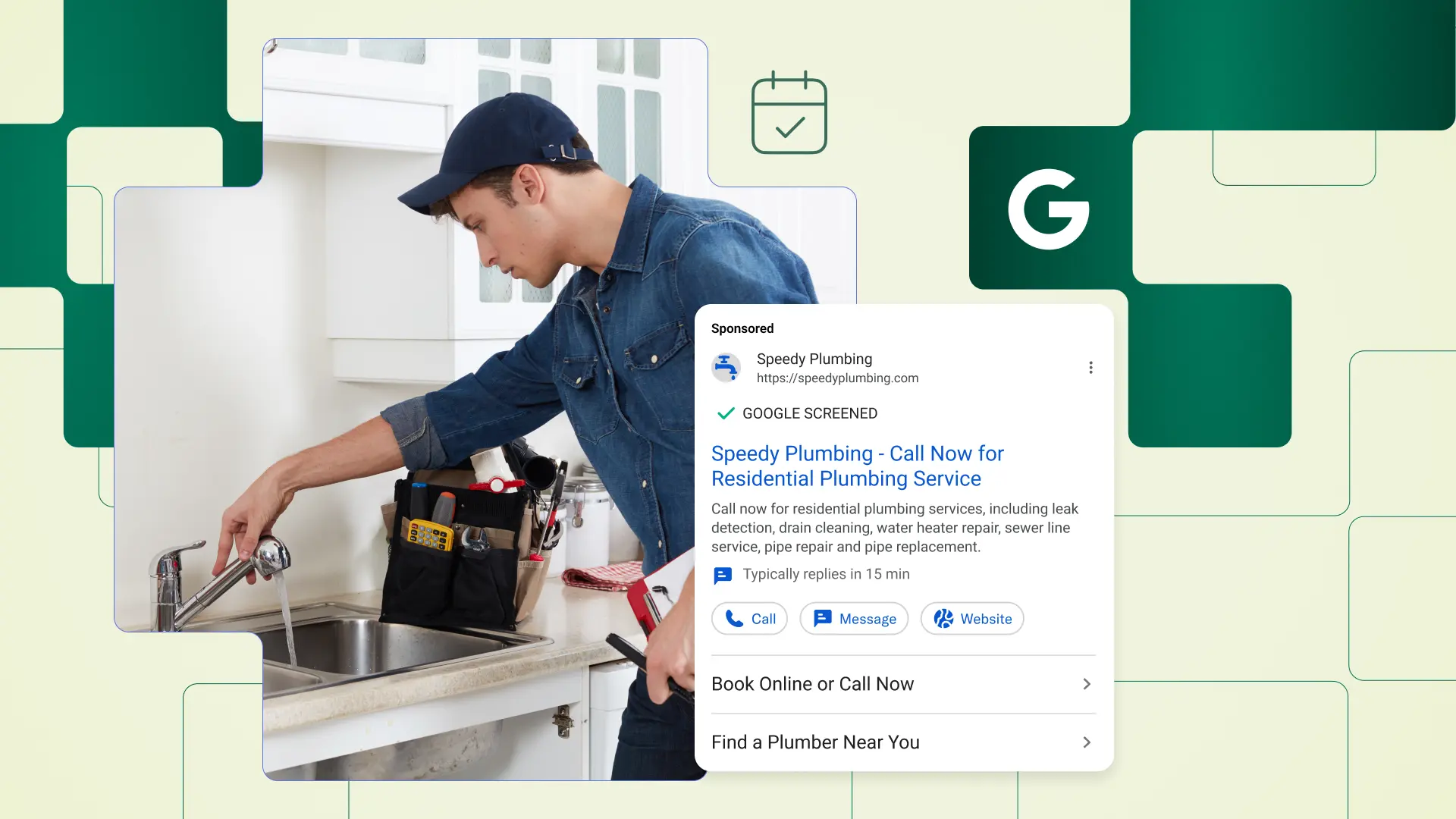
From Google LSAs to social media ads to search, you spend a big chunk of your budget driving demand. If your CMO threw more paid media money at you, you’d happily spend it to get even more leads. That might not be the greatest idea, though, since you’re probably flushing so many unconverted leads down the toilet that it’s going to block the mainline. Well, more like it’s going to fill your competitor’s pipeline with leads, but you get the picture.
Here’s the problem. While you’re busy driving all these leads to call to your website, 48% of those who call never speak with a person, according to our recent lead benchmark report. Things are not any better for leads who reach your website and fill out a contact form, either. The Home Services Buyer Experience Report shows that 60% of consumers said it took more than an hour to get a response after submitting a lead form. That’s a lot of leads leaking from the funnel, and they’re flowing right to your competitors, as 79% of consumers say they’ll switch to the home services business that responds fastest.
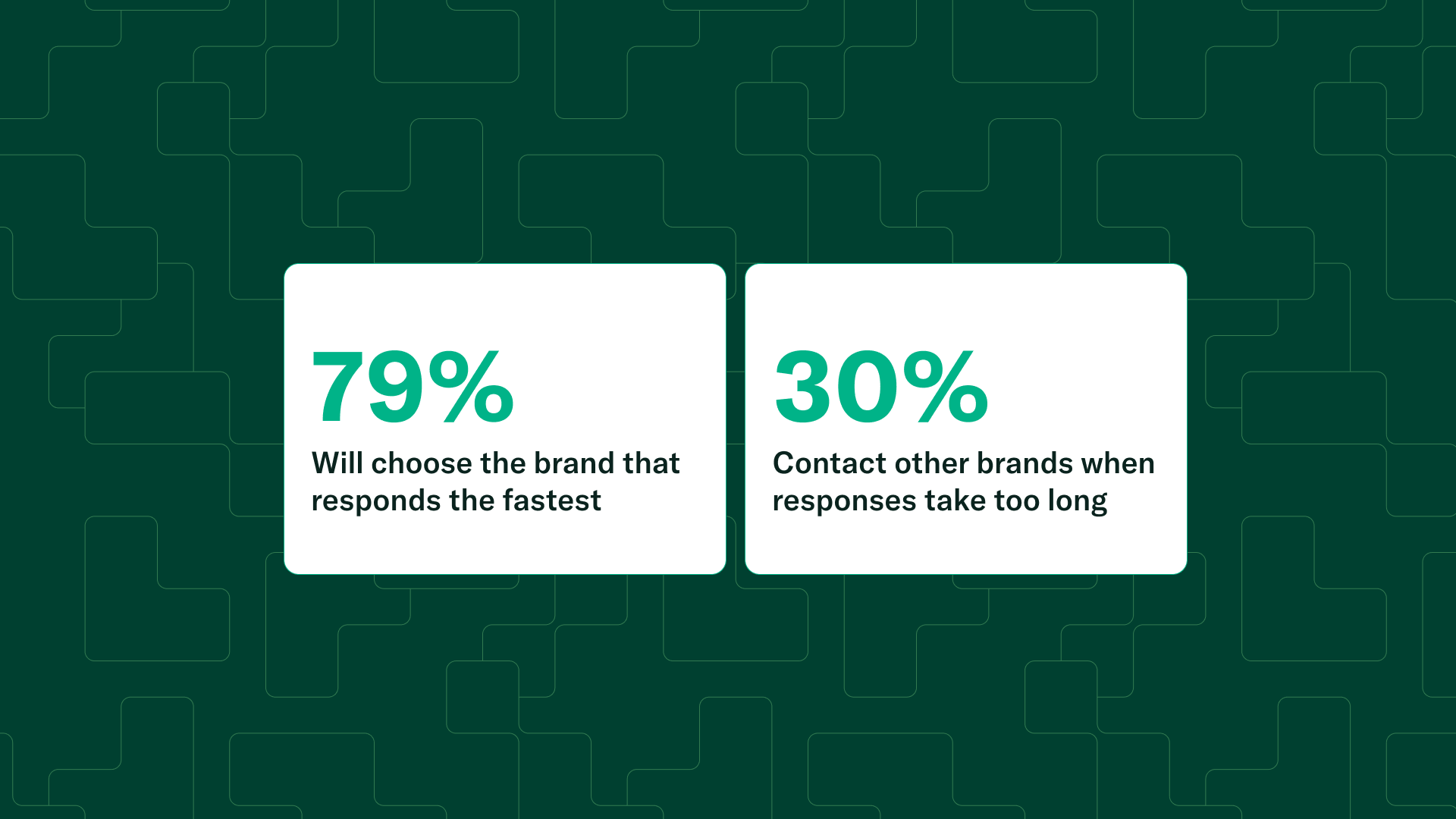
This makes a lot of sense from the consumer’s standpoint. If an HVAC company takes a day just to respond to your inquiry, how can you trust them to get the job done in a timely manner? The answer is that you won’t. Trust is major in this industry, and responsiveness is a critical method of establishing it.
AI agents can help you maintain your conversion rate and consumer trust. Here’s how it works.
Slow Speed-to-Lead Conversion Kills Revenue, ROAS, and Reputation
When you don’t quickly engage the leads you drive, it causes a triple-whammy hit to your marketing results. Let’s use Google Local Service Ads (LSAs) as an example of how this happens.
You pay for every call and text message lead that Google LSAs deliver. Call leads are counted and charged after the caller is on the line for about 20 seconds, and text leads are charged as soon as they’re sent. If you don’t answer the call or respond to the text quickly, you paid for the lead and lost it. That’s strike one.
Your average response time displayed on your LSAs is based on how quickly you respond to text leads. Get back to those slowly, and nobody is going to click on your ad when competitors have faster response times. That’s strike two.
Strike three is that call answer rates and text response speed are used as ranking signals for your ads. If you don't answer calls or respond to text messages quickly, Google will show your ad less often. That means you're paying more for a diminishing share of the auction. And you’re out! Well, your revenue and ROAS are out the window, anyway.
Want to hit more home runs? Check out these four high-intent moments where you can use AI agents to convert more of the leads you pay to drive.
The 4 High-Intent Moments Where AI Agents Save the Sale
Moment 1: The LSA call or text you're paying for either way
Someone who taps to call or message from a Local Services Ad has already been shown a short list of verified providers and picked yours. Intent doesn't get much stronger than that.
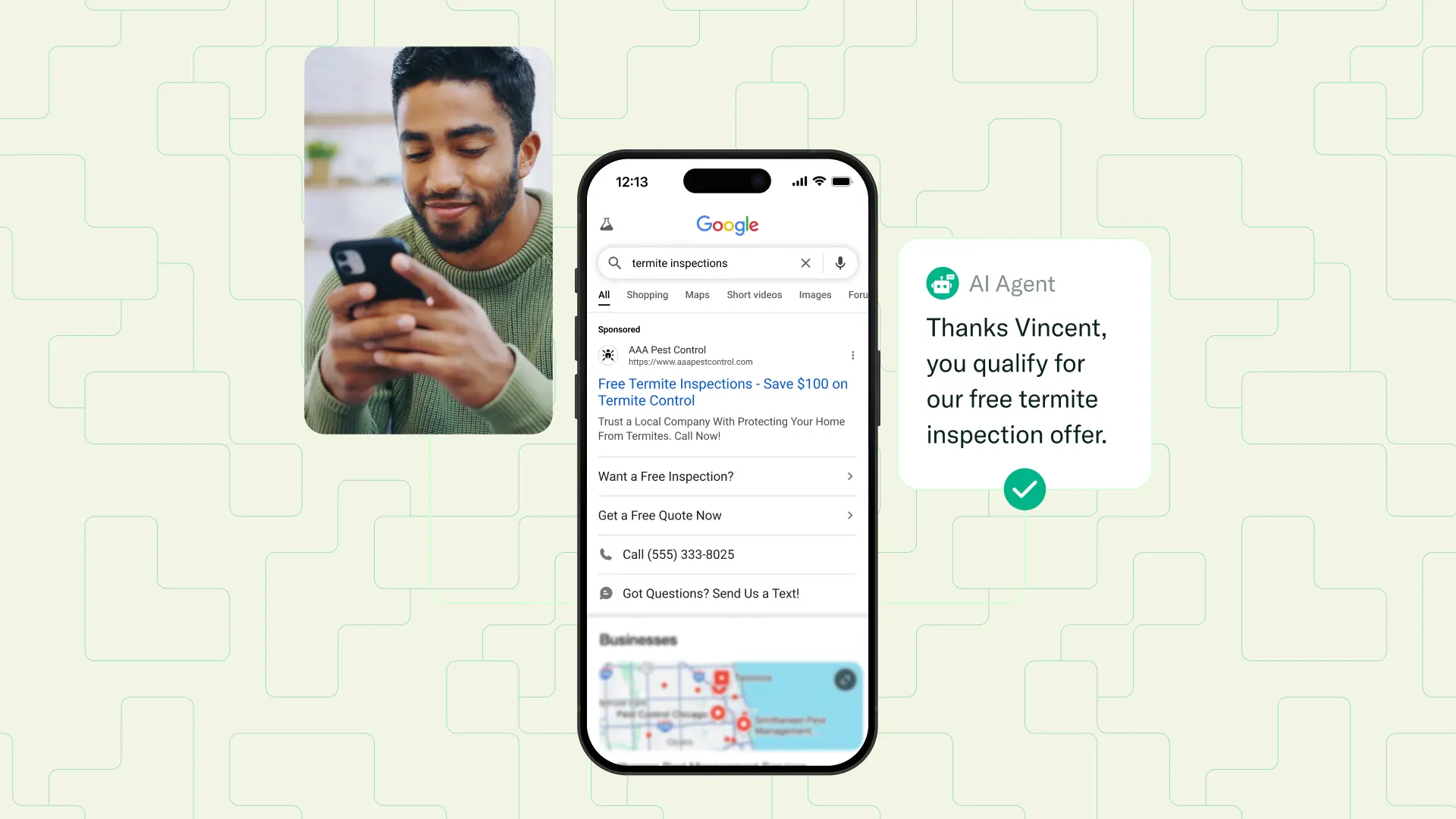
Invoca's AI Voice Agent answers LSA calls immediately, qualifies the job, and books or routes it. The AI Messaging Agent replies to LSA texts in seconds and holds a real two-way conversation, answering questions about service area and availability, then scheduling the visit. Both protect the ad rank you're paying to maintain and convert more of those leads into paying customers.
Moment 2: The after-hours emergency
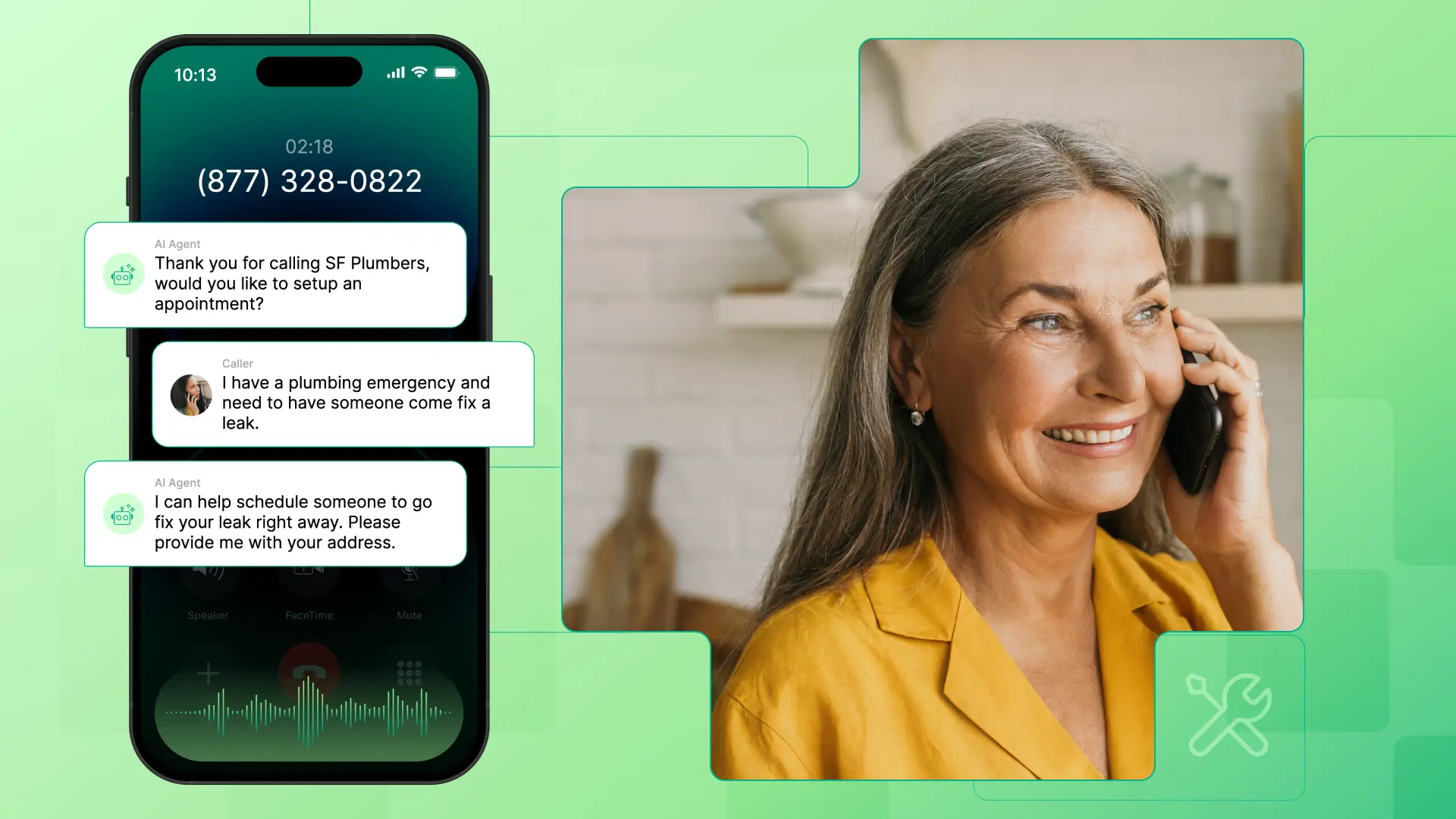
Emergencies happen at all hours, and if you’re a homeowner, you well know that Murphy’s Law dictates that they will happen at the most inconvenient time possible. As a home services business leader, you know that they are also a big challenge. When someone has sewage backing up into their bathtub at midnight the day before Thanksgiving, they will 1000% go with the plumber that responds fastest.
With Invoca’s AI Voice Agent, that will be you. It picks up every call in seconds, establishes need and urgency, captures critical information like the address and service type, and then either books the appointment, schedules a callback, or transfers the call to your contact center with full context, so the homeowner does not have to repeat themselves. That’s a lead converted and a customer for life.
Moment 3: The everyday overflow your staffing plan can't absorb
From heatwaves to ice storms to floods, volume spikes hit home services businesses on the regular and you can’t plan for them. In fact, internal Invoca call data shows that the great majority of unanswered calls come in during normal business hours.
AI agents absorb this overflow, and they’re always on the job. They can handle nearly unlimited concurrent conversations, qualify leads, prioritize emergencies and high-value jobs, schedule appointments and route calls to contact centers, business locations, and on-call techs. No matter the situation, everyone who contacts you gets help right away.
Moment 4: Leads who are "Just Getting Quotes" Who are Actually Ready to Buy
Homeowners don’t run around getting quotes for repairs and remodels for kicks and giggles. The need may not be an emergency, but it is urgent and getting the work done is imminent. These tend to be high-ticket jobs, too, as consumers are going to do more shopping around when they need a repipe, new flooring, a re-roof or any other job that requires a peek at their HELOC balance.
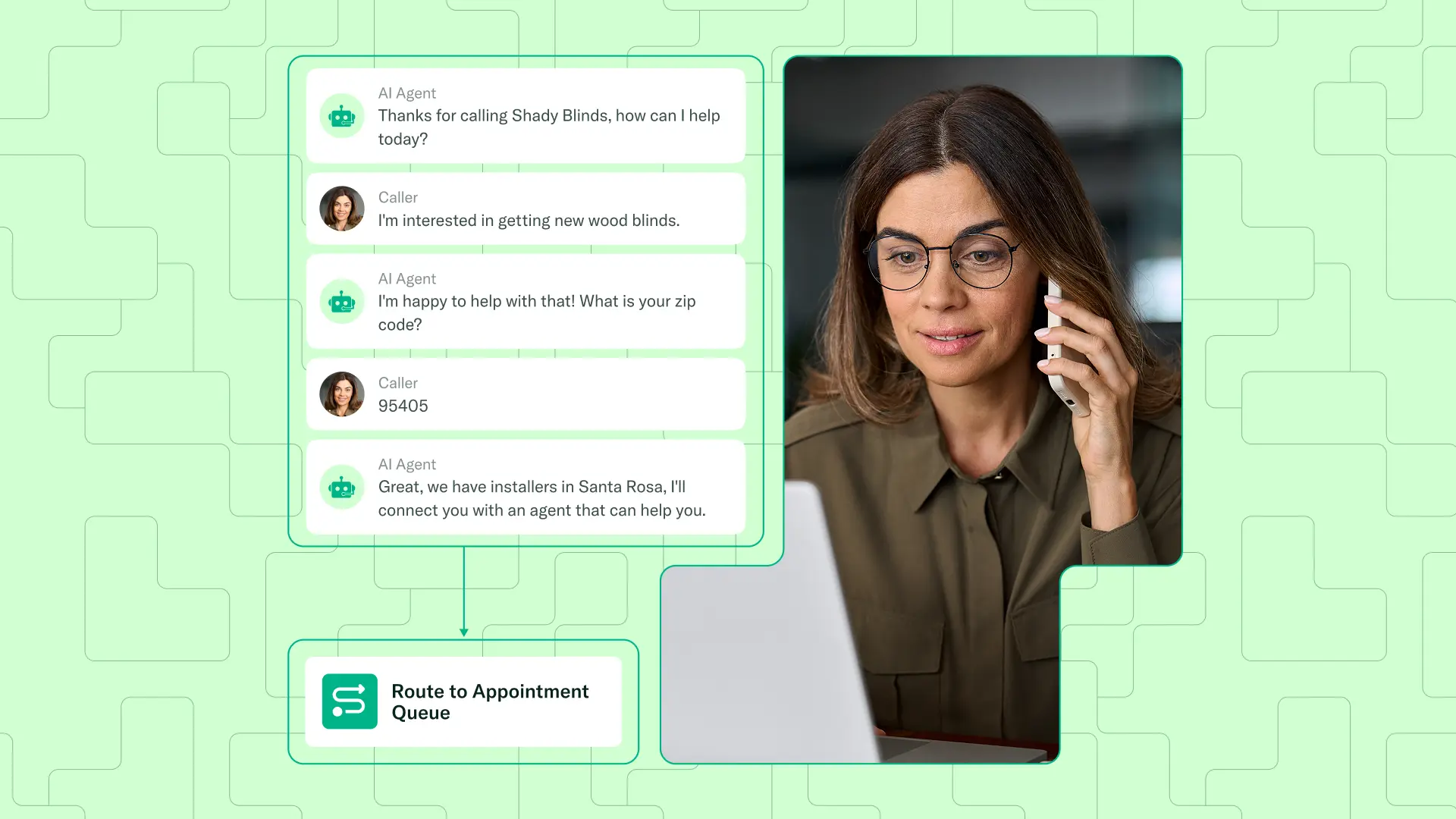
An AI revenue conversion agent that’s built for home services engages these big-ticket inquiries immediately, discovers intent, surfaces urgency, and moves the conversation toward booking. This is where Invoca’s AI agents’ knowledge of digital journey context comes into play. It can immediately qualify and route high-value calls to the right sales agent, location, or franchisee. And since it’s trained on your own calls with your best agents, it knows how to qualify and help convert your highest value leads—before they have a chance to get more quotes.
What Separates an AI Agent That Books Jobs From One That Just Answers the Phone
Answering calls and texts quickly is table stakes. What determines whether the conversation converts is what the AI agent knows when it starts talking.
A poorly trained AI agent, one with no access to buyers’ digital journey data, or one that can’t take action like booking appointments might as well be a spit-polished IVR. Nico, Invoca’s AI revenue conversion agent for SMS and voice uses digital buyer journey context like keywords, ads clicked, and web pages visited to prioritize leads and personalize conversations. This results in faster conversions and a better experience for the consumer.
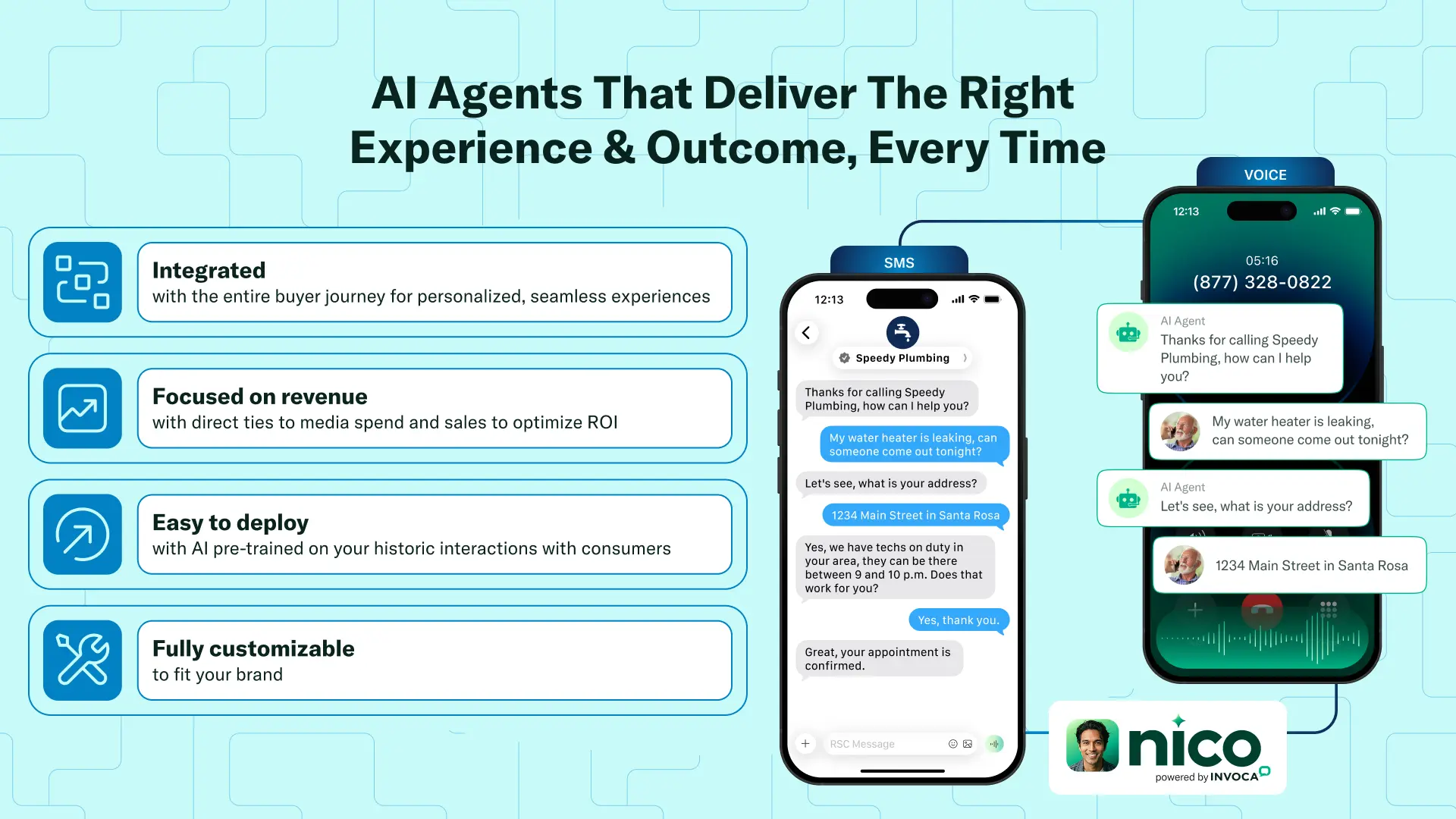
Invoca also closes the marketing optimization loop, and most AI agents just can’t do this. Invoca captures what happened in every call and text conversation, including whether the caller was a lead, whether they booked, and what the job was worth, then feeds those outcomes back to Google Ads, Performance Max, and the rest of your ad stack. With this data, you are optimizing your spend to drive the most valuable leads, not just clicks and calls.
This is more important than ever, as Google is deprecating manual CPL bidding across its stack and the algorithms are only as good as the data you feed it. When you have accurate conversion data across every channel, online and offline, you boost your ROAS and drive more revenue.
The Window Is Closing on the Competitive Advantage
AI agents are on their way to becoming standard infrastructure in home services, the same way call tracking and CRM did years ago. Soon enough, answering every lead instantly will be the baseline expectation.
The advantage belongs to the brands deploying now. Every month you operate with a higher answer rate than your competitors contributes to better LSA ad rank, and cleaner conversion data training your bidding algorithms. That head start compounds, and the sooner you start, the better.
.svg)
.svg)