.svg)


A recent National Customer Rage Survey found that 63% of customers who experienced a problem felt “rage” about the experience, and 43% raised their voice to express their displeasure about their most serious issue. While the survey doesn’t detail who was on the receiving end of that anger, you can bet that in many cases it was a call centre agent.
Knowing how to deal with angry customers is a must for agents, and consistent execution can directly impact customer satisfaction and retention, brand reputation, revenue, and more. In addition to demonstrating empathy, agents need the right training and tools to effectively address the needs of deeply unsatisfied customers.
In this article, you’ll learn about practical ways to help agents handle angry customers and de-escalate emotionally charged situations. You’ll also get six script examples for addressing common scenarios, plus insight into the role of AI in detecting customer frustration and identifying high-risk calls. But first, we’ll look at common reasons customers get angry.
Main Takeaways:
- Agents who understand how to handle an angry customer effectively help promote and protect retention, brand trust, and revenue.
- Customer frustration often stems from fixable issues, including long wait times, poor communication, and unresolved problems.
- Calm, empathetic agents who listen actively and set clear expectations can de-escalate conflict quickly when dealing with angry customers.
- Conversation analytics and AI tools help teams spot friction, strengthen training, and deliver better outcomes consistently, and at scale.
What Causes Customers to Get Angry?
Many customers reaching out to a call centre for assistance aren’t angry when they first pick up the phone. They may be disappointed or frustrated, but they aren’t necessarily irate. They may even feel hopeful. But when they hit friction on the path to getting help, that’s when their temperature can start to rise. Common triggers include:
- Long wait times or repeated transfers
- Issues that go unresolved or unanswered
- A lack of empathy or ownership from the agent
- Billing errors, unexpected charges, or pricing confusion
- Being asked to repeat information or answer the same questions multiple times
Why Is It Important to Properly Manage Angry Customers?
Industry research shows, time and again, that a stellar call centre experience plays a key role in business success. Poor experiences can lead to negative online reviews, higher churn, and reputational damage that’s difficult (and expensive) to reverse. On the flip side, handling customer complaints effectively from the outset can increase customer loyalty.
In other words, properly managing angry customers and resolving issues quickly can help protect revenue today while also strengthening Customer Lifetime Value (CLV).
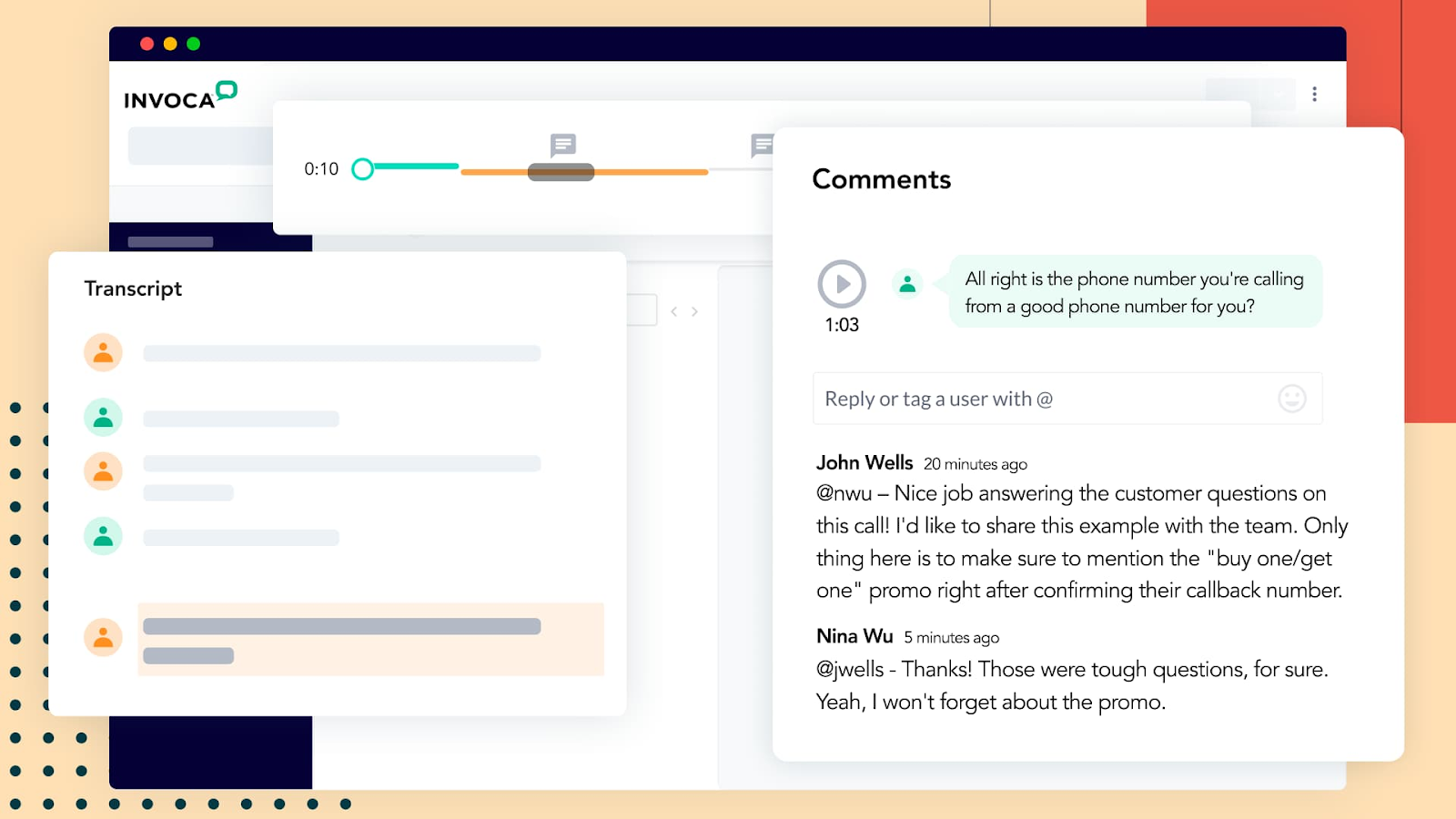
For contact centre managers, the challenge is identifying friction that can spark customer ire and make it harder for agents to deliver standout service. Conversation analytics can help by pinpointing where customers get stuck and how well agents respond in high-emotion moments. With tools like Invoca, managers can identify recurring pain points, flag high-frustration calls for coaching, and make targeted operational tweaks, ensuring improvements are based on what’s happening across calls at scale.
How Can Agents Deal with Angry Customers? 15 Best Practices
Angry customer calls are an inevitability in a contact centre. The following best practices can help agents meet the challenge head-on with confidence and protect the customer relationship.
1. Stay Calm, Even When It’s Hard
“Keep calm and carry on” is sound advice for call centre agents dealing with angry customers. When emotions run high, an agent’s tone sets the temperature of the call. If the agent becomes defensive or matches the customer’s intensity, the conversation can escalate fast. Staying calm helps de-escalate the moment and allows for the interaction to move in a positive direction.
2. Listen Actively to Understand, Not Just Respond
Active listening isn’t just polite — it’s a de-escalation tool. When customers feel heard, they’re more likely to work constructively with the agent to arrive at a solution.
Agents should give customers space to share what happened without jumping in too quickly. Then, they can restate the customer’s concern and ask a few clarifying questions to move from emotion to facts. Using short affirmations — such as “I understand,” “I see,” and “That makes sense” — helps assure the customer that the agent is listening.
3. Speak Slowly and Clearly
Frustrated callers are already on edge, and a rushed pace of conversation can make things worse, especially when customers are trying to take in details or next steps. Agents speaking slowly and clearly, with a steady tone, can help customers process information and reduce the sense of pressure. A measured pace also puts the agent in a better position to keep control of the interaction and de-escalate emotionally charged situations.
4. Use Open-Ended Questions
Closed-ended questions (“yes” or “no”) can help confirm details, but they rarely uncover the full context needed to resolve an issue effectively. They can also make an angry customer feel that the agent is speeding through the call. Open-ended questions invite customers to explain what happened and help show that the agent is listening and taking the matter seriously.
5. Use “I” Statements to Show Ownership
Ownership language builds trust, especially when a customer feels stuck. Using “I” statements signals accountability and reassures the customer that someone is actively working on a solution. Examples of useful “I” statements agents can use when dealing with angry customers include:
- “I can help with that.”
- “I’m going to look into this now.”
- “I’ll make sure we take the next step today.”
Agents should avoid passive phrasing or blame-shifting language, such as “That’s not my department” or “The system won’t let me,” which can quickly escalate a caller’s frustration.
6. Avoid Jargon or Internal Language
When customers are upset, jargon-infused conversations can create even more bad feelings and friction. Internal terms, acronyms, and “corporate speak” can come across as evasive or confusing. Agents should stick to using plain language and explain any necessary terms so customers can easily follow what’s happening and understand what comes next.
7. Set Clear Time Frames for Resolution
Uncertainty can raise customer anxiety and lead to unnecessary follow-ups and repeat calls. That’s why agents need to clear expectations around timing, outlining what will happen next, and when. For example, if a customer calls to complain about a missed appointment, the agent should confirm the new date and time before ending the call. Then, they can follow up by email or text with the details, including who will attend and any preparation steps, so the customer doesn’t have to call back for clarification.
8. Thank the Customer for Their Patience
Small gestures, delivered at the right time and in the right way, can increase customer satisfaction and loyalty. For example, an agent might say, “Before we end the call, I want to thank you for your patience today and for giving us the chance to resolve this issue.” A sincere thank-you reinforces goodwill and shows respect for the customer’s time.
9. Acknowledge the Frustration and Offer a Sincere Apology
As we’ve established, when customers are angry, they want two things right away: to feel heard and to know someone is taking ownership. Leading with a clear empathy statement helps lower the temperature and shift the conversation toward problem-solving:
- “I understand why you’re upset, and I’m sorry you’ve had to deal with this. Let me help make this right.”
- “I apologise for the trouble. Let me take a look and explain what we can do next.”
- “I’m sorry to hear this happened. Let’s get this resolved.”
10. Escalate Gracefully When Necessary
It’s not always possible to resolve a customer’s issue without a handoff, so customers should see escalation of their issue as a benefit, not a hassle. When an agent positions the transfer as a purposeful timesaving measure, customers are more likely to stay calm and cooperative. For example, an agent might say: “I’m going to bring in a specialist who can help solve this problem for you faster.”
11. Shift the Conversation Toward a Clear Resolution
Call centre agents need clear insight to resolve issues, and asking focused questions is one of the fastest ways to get it. Tools like Invoca PreSense can surface caller context and likely intent upfront, so agents spend less time re-collecting information and more time resolving the issue. AI-powered conversation analytics can reinforce what works by highlighting the questions and resolution approaches that consistently lead to better outcomes.
Watch the short video below to see how PreSense works:
13. Use Empathetic Body Language (for Video or In-Person Interactions)
In video or face-to-face support, customers read body language as closely as they hear words. Therefore, agents should reinforce empathy with simple cues, such as nodding, maintaining comfortable eye contact, and leaning in slightly while the customer speaks. Just as important, they should avoid signals that can escalate tension — crossed arms, frequent glances away, multitasking, or appearing rushed. A steady, attentive presence helps keep high-emotion interactions grounded and productive.
14. Track and Share Feedback with the Team
Teams improve faster when they learn from patterns, not isolated calls. Agents should log recurring issues and frustration triggers so the broader team can address root causes, not just symptoms. Invoca’s AI can support this process by capturing call tagging and sentiment insights across conversations at scale, helping teams spot trends, share learnings, and prioritise fixes that reduce repeat friction.
15. Build Long-Term Trust with Personalisation and Follow-Up
Trust is built through follow-through, especially after a high-emotion interaction. Positive, respectful language, light personalisation, and a clear post-resolution follow-up process can help customers feel valued and also reduce repeat calls. Tools like Invoca can support this by enabling more personalised conversations and tailored text or email follow-ups that confirm what was resolved, outline next steps, and explain how to get help if anything changes.
6 Scripts for De-Escalating Difficult Customer Conversations
Let’s put these best practices to the test. Here are six customer complaint scenarios with sample scripts to help agents de-escalate conversations and move to satisfactory resolution.
1. De-Escalating Billing or Charge Disputes
Billing and charge disputes are among the most common — and emotionally charged — reasons customers call. When customers believe they’ve been overcharged, how the issue is handled matters as much as the details themselves. Agents should remain calm, communicate clearly, and take ownership of investigating what happened.
What to say: “Thank you for bringing this to my attention, [Name]. I understand unexpected charges can be stressful, and I’m going to look into this for you. I’ll review your billing details first, and then explain what I find and what we can do next.”
What not to say: “I’m sorry, but the system shows the bill is correct. There’s nothing I can do.”
If you use a conversation analytics tool like Invoca in your call centre, you can isolate billing-related calls using keywords and call tagging. Those insights make it easier to review agent performance, identify coaching opportunities, refine scripts, and address recurring billing friction before it escalates.
2. When the Customer Complains About Product Quality
When customers raise concerns about product or service quality, the agent’s priority is to acknowledge the issue and show empathy, not get defensive. Validating the experience helps lower tension and keeps the conversation focused on resolution. Teams can use Invoca to reduce repeat complaints by monitoring conversation trends and identifying recurring quality issues.
What to say: “I understand how frustrating this is, [Name], and I’m sorry you experienced it. I’m going to document this so our quality team is aware. Let me gather a few more details, and then we can resolve this either with a replacement or a refund, whichever works best for you.”
What not to say: “I’ve never heard of this happening before with our product. Are you sure you followed the instructions correctly?”
3. When the Customer Is Upset About Long Wait Times
Long wait times can make customers feel irritated or angry before the conversation with an agent even begins. Acknowledging the delay right away and responding with a calm, positive tone helps reset the interaction and shows respect for the customer’s time.
What to say: “I’m sorry you had to wait, [Name]. Thank you for your patience — I know your time is valuable. Let’s take care of this so you can get on with the rest of your day.”
What not to say: “Sorry, we’re really busy, and we had other calls to answer first.”
4. When the Customer Feels They Haven’t Been Heard
Few things frustrate customers more than taking the time to explain their problem in detail, only to feel ignored. Agents should acknowledge the effort the customer has made and demonstrate that they’re listening by summarising what they’ve heard.
What to say: “Thank you for explaining that, [Name]. I want to make sure I understand. To recap, you’ve been trying to resolve [issue], and so far, you haven’t received a clear answer. Is that correct?”
What not to say: “You already told me that.”
5. When You Don’t Have an Immediate Answer
Not having an immediate answer can increase a customer’s frustration, but how the moment is handled makes all the difference in keeping that customer satisfied and loyal. Agents should be transparent about what they know, reassuring about next steps, and clear about timing, without guessing or overpromising.
What to say: “That’s a great question, and I want to make sure I give you accurate information. This may take a little time, but I can stay with you while I find the right person. Or, we can schedule a callback if that works better for you.”
What not to say: “I don’t know.”
6. When the Customer Is Mistaken but Still Angry
The customer is always right … right? But what if they are mistaken about something — and angry to boot? When that happens, agents should acknowledge the concern first, then calmly explain what they found and why — using neutral, respectful language. Managers can reinforce this skill by reviewing past tense exchanges and coaching agents on how to reframe facts without escalating emotion. Invoca’s AI can help surface these moments, making it easier to build targeted training around high-risk scenarios.
What to say: “I understand why this would be frustrating. I reviewed the records, and I can see why it looks that way. Let me walk you through what I found so we can clear this up together.”
What not to say: “You’re wrong.”
How to Train Agents to Handle Difficult Conversations
Effective training is essential for helping agents manage challenging customer interactions with confidence. By tracking and recording calls at scale, tools like Invoca give teams access to real-world conversations that can be analysed and used for role-playing, coaching, and skills development, especially around tone, pacing, and resolution strategies.
To make training stick, managers should go beyond correcting mistakes. Call out wins, highlight successful de-escalations, and share examples of what “good” looks like so more agents can replicate it. Most importantly, make the effective handling of difficult conversations a core part of your coaching culture, reinforced through regular feedback and ongoing practice.
Improve High-Stakes Customer Interactions with Invoca
Invoca helps contact centres strengthen how agents handle angry customers by bringing visibility to high-emotion interactions. AI-powered sentiment analysis can quickly surface rising frustration, flag high-risk calls for review, and support more consistent, objective quality scoring.
Invoca also connects conversations to marketing activity, helping teams uncover systemic customer experience issues — such as mismatched expectations or recurring points of confusion — and align marketing, sales, and customer service around what customers are actually experiencing.
With these insights, managers can identify targeted coaching opportunities, pinpoint where additional training is needed, and make informed adjustments to scripts and processes. The result is faster resolution, stronger customer relationships, and more consistent quality management across your contact centres and locations.
Additional Reading
Want more tips for how to deal with angry customers and improve customer satisfaction? See these resources from Invoca:
- Build Your Action Plan for Improved Customer Satisfaction
- Customer Experience Marketing: Why It Matters and Key Strategies
- What Is CSAT? Purpose, Benefits, and How to Measure It

FAQs
How Do You Deal with Angry Customers?
Remain calm, listen actively, and acknowledge the customer’s frustration without getting defensive. Then, move the call toward resolution by clarifying the core issue, explaining the next steps in plain language, and setting a clear time frame for follow-up. The combination of empathy and ownership helps de-escalate tension and rebuild trust.
What Is a Good Strategy for Handling an Angry Customer?
Using this simple sequence of steps can help: listen, acknowledge, clarify, and resolve. Let the customer explain, validate their frustration (and apologise if appropriate), confirm the issue with 1–2 questions, then offer a clear next step and time frame. Tools like Invoca can flag these moments so managers can use them as teachable moments and train agents more effectively.
How Can You Deal with Rude Customers Professionally?
Stay calm and keep your tone measured and respectful. Acknowledge the customer’s frustration without matching their intensity, then steer the conversation back to the issue by asking a clarifying question and outlining next steps. Focus on resolution, not the customer’s demeanor.
How Would You Handle an Interview Question About How to Deal with an Angry Customer?
Use the STAR method (Situation, Task, Action, Result) to share a real example. Briefly describe the situation and your responsibility, explain the actions you took to de-escalate (active listening, empathy, clarifying questions, clear expectations), then close with the outcome — resolution, retention, improved satisfaction, or a process improvement that prevented repeat issues.
.svg)
.svg)