

.svg)


Every brand is chasing the same goal: create experiences that feel personal, intuitive, and effortless. But that’s hard to deliver when every interaction starts from scratch. Most teams still rely on surface-level data, generic scripts, and manual discovery to figure out who the customer is and what they need.
Buyer journey intelligence completely changes this dynamic. It brings context into every conversation — context that reveals who the customer is, why they’re reaching out, and what they’re trying to accomplish. When brands understand those signals, interactions become smarter, faster, and more human.
The value of complete buyer journey intelligence comes to life in three fundamental ways: precision, personalization, and prioritization.
These pillars don’t just improve performance. They reshape the entire customer experience.

What is Buyer Journey Intelligence?
Buyer journey intelligence is the art and science of understanding why a buyer behaves the way they do across channels, and then using that understanding to inform the next best action. It’s the connective tissue between signals, conversations, context, and outcomes.
For revenue leaders at B2C brands, buyer journey intelligence is comprised of a connected view of a consumer’s intent, actions, history, and context across touchpoints—calls, digital journeys, campaigns, and past interactions—that allows an AI or human agent to respond in a way that is informed, relevant, and outcome-oriented. It transforms a “conversation” into “the continuation of the same journey.” It’s the behavioral map that makes an agentic system contextually coherent.
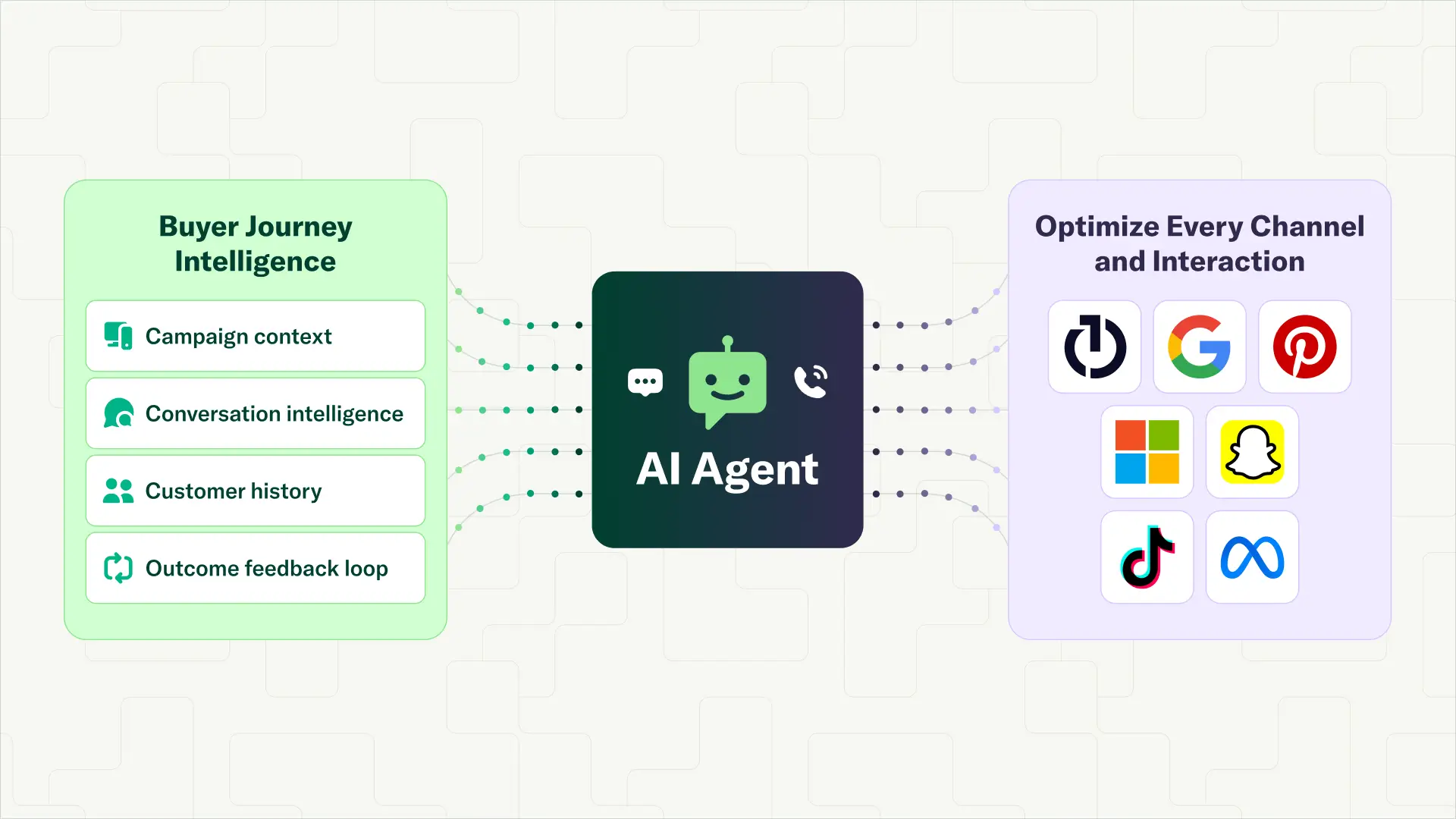
Buyer journey intelligence components include:
- Campaign and channel context: Which ad brought them in? What page were they on? What product were they exploring? Buyer journey intelligence gives the agent visibility into that last-mile intent, so it doesn’t treat every user like a blank slate.
- Conversation and call intelligence: The AI agent draws on call recordings, transcripts, and outcome signals to identify the patterns that actually drive conversion, rather than generic FAQ training. This grounds responses in the brand’s real conversations and real buyer questions.
- Consumer Profile & History: Past interactions, preferences, and data remove redundancy, so there’s no frustrating “What’s your name?” three different times across channels. The agent continues the thread, not resets it.
- Outcome Feedback Loop: Which journeys convert? Which stall? Which messages drive callbacks? This intelligence continuously improves the agent, informing the next conversation.
Now, here are the three pillars of buyer journey intelligence that will take your buyer journey to the next level.
1. Precision: Understanding Customers Before the Conversation Begins
The first barrier to a great experience is a lack of context. When an agent picks up a call, they often know very little about who they’re talking to. That leads to repetitive questions, slow discovery, and frustrated customers who feel like the brand isn’t listening.
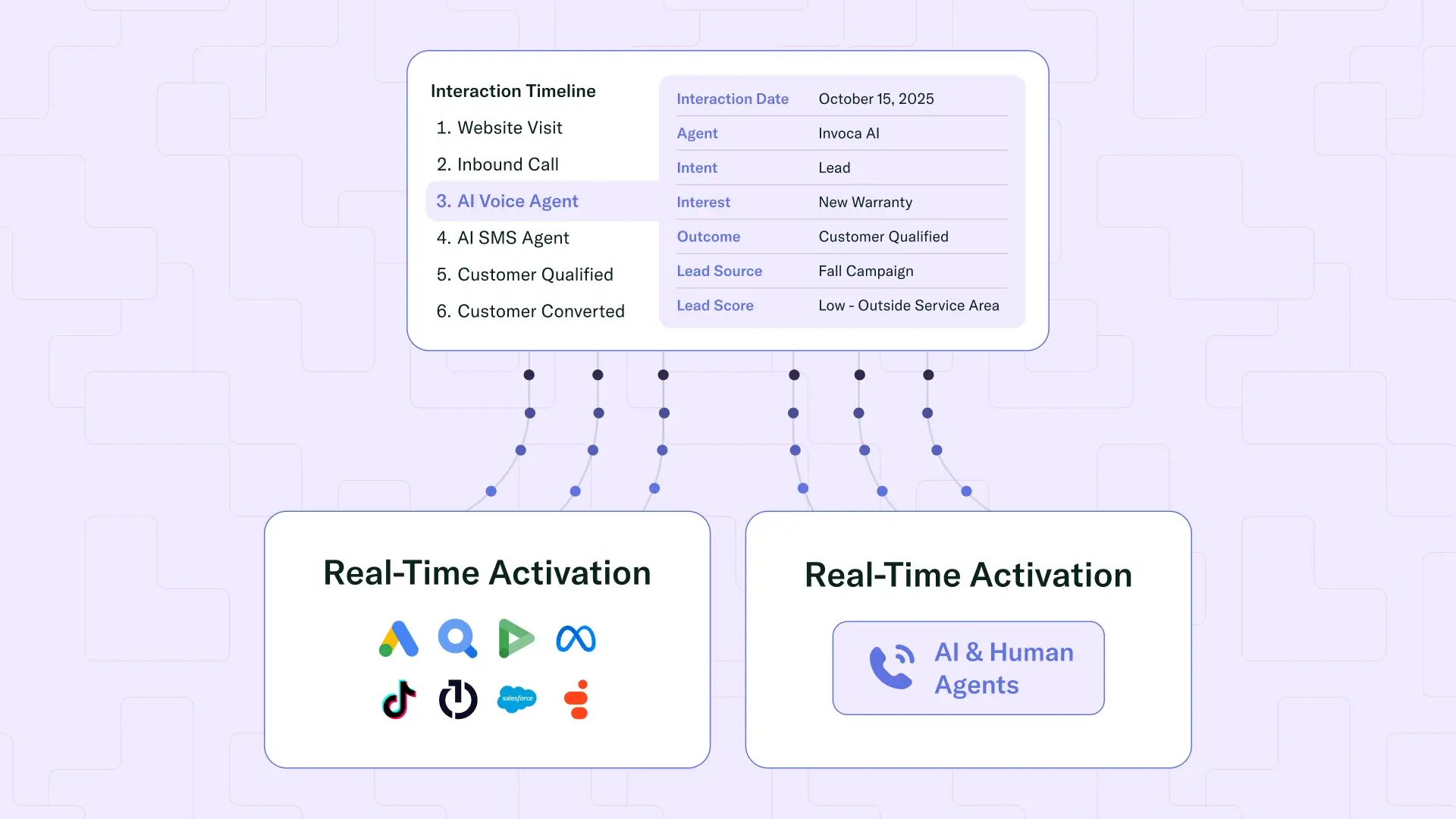
Buyer journey intelligence solves this by turning raw conversation data and marketing context into instant insight. Brands gain clarity on the customer’s intent — what product they’re interested in, which campaign brought them in, what triggered their call, and even the objections or life events they’ve expressed.
With that level of precision, conversations start further along:
- Eliminate frustrating, redundant intake questions.
- Agents immediately zero in on the real issue.
- Customers feel known, not interrogated.
It’s the difference between saying, “How can I help you?” and “I see you were exploring our home insurance options — we’ve got a couple of great options for you.” Precision isn’t just analytics; it’s the foundation of a better experience.
2. Personalization: Delivering the Right Message at the Right Moment
Once you know who the customer is and what they’re trying to accomplish, the next step is to tailor the experience to their needs. This is where personalization becomes powerful.
Buyer journey intelligence uses signals, campaign context, marketing data, and behavioral cues to shape the conversation. It helps teams understand not just what the customer wants, but how they want to be engaged.
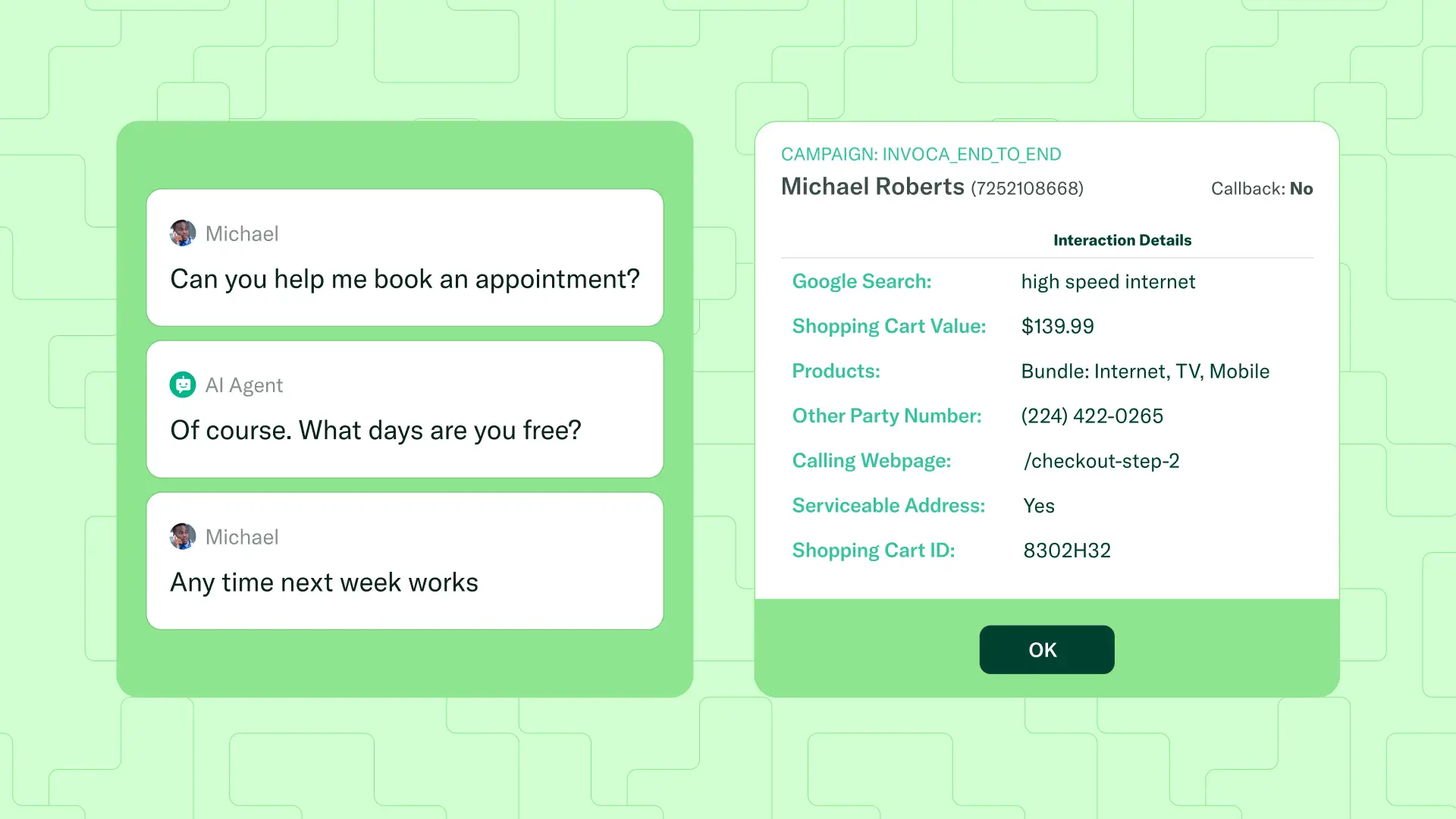
A customer calling from a Google Ads campaign promoting “no-money-down solar” should hear a different conversation than someone who arrived through a direct mail offer focused on long-term savings. A Medicare shopper who recently turned 65 needs a different tone and path than someone comparing Part B options. A home services caller who expresses price sensitivity needs reassurance and clarity, not a hard upsell.
When brands personalize at this level, interactions feel relevant and respectful. Customers feel understood. And that emotional resonance leads to better outcomes for the brand and the customer through higher conversion rates, stronger loyalty, and improved satisfaction.
Millions of marketing dollars are spent driving customers to call. Personalization ensures brands get full value from every one of those moments.
3. Prioritization: Focusing Time and Talent Where It Matters Most
Not every call carries the same value, and not every customer requires the same level of urgency.
Buyer journey intelligence helps brands identify which interactions deserve immediate focus, which require expertise, and which should be diverted to a different path. By combining behavioral signals, qualification attributes, sentiment patterns, and sometimes scorecards, teams can instantly understand the true value of each call.
This transforms operations because:
- High-intent leads are sent to the front of the queue.
- Specialized agents receive calls that match their skillset.
- Lower-intent or mismatched callers are handled appropriately without straining resources.
Time spent with customers becomes an investment, not a cost. In industries where minutes matter, like insurance, healthcare, financial services, and home services, prioritization isn’t a “nice to have.” It’s the lever that turns inbound calls into revenue.
Prioritization ensures your best opportunities never wait behind a call that shouldn’t have been in the queue in the first place.
How These Pillars Create a Different Kind of Customer Experience
Precision, personalization, and prioritization don’t just enhance workflows. They fundamentally transform how customers feel when they interact with your brand.
They eliminate friction. They reduce wasted effort. They bring humanity back into service conversations. They accelerate sales and shorten paths to value. Most importantly, they differentiate your brand in a sea of generic, frustrating, one-size-fits-all experiences.
Instead of customers thinking, “I have to explain myself again?” they think, “These guys get me. That was so easy!”
That’s the experience customers remember. That’s the experience that builds trust. And that’s the experience complete buyer journey intelligence makes possible today.
How Brands Access and Operationalize Buyer Journey Intelligence
Insight only matters when it becomes action. Buyer journey intelligence has its greatest impact when brands use it in their daily workflows — not in an end-of-month report or a static dashboard, but in the moment the customer reaches out. That requires real-time, always-on signals that flow directly into the systems and teams responsible for the customer experience.
This is where Invoca turns intelligence into something operational.
Invoca captures the complete customer journey — the marketing touchpoints, the digital behavior that led to the call, and the live conversation itself. It transforms those signals into structured intelligence that shows up exactly where it’s needed. That context flows effortlessly into your contact center, routing logic, CRM, and marketing platforms so every team is aligned around the same understanding of who the customer is and what they’re trying to accomplish.
With Invoca, brands take action by:
- Equipping agents with context the instant the call comes in, so conversations begin further along and feel more natural and human.
- Personalizing every interaction automatically, using campaign source, intent signals, and behavioral cues to shape the conversation without forcing agents to memorize scripts.
- Prioritizing and routing calls intelligently, ensuring high-value customers and complex needs reach the right expert at the right moment.
- Sending post-call intelligence back into marketing and sales systems, closing the loop between the journey that brought the customer in and what happened once they engaged.
This is the shift from guessing to knowing — from reactive service to proactive, informed experiences. It’s how teams move from “We think we know our customer” to “We can act on what they need in real time.”
Ready to learn more about how AI agents can be your next revenue channel? Check out this webinar.
.svg)
.svg)