.svg)

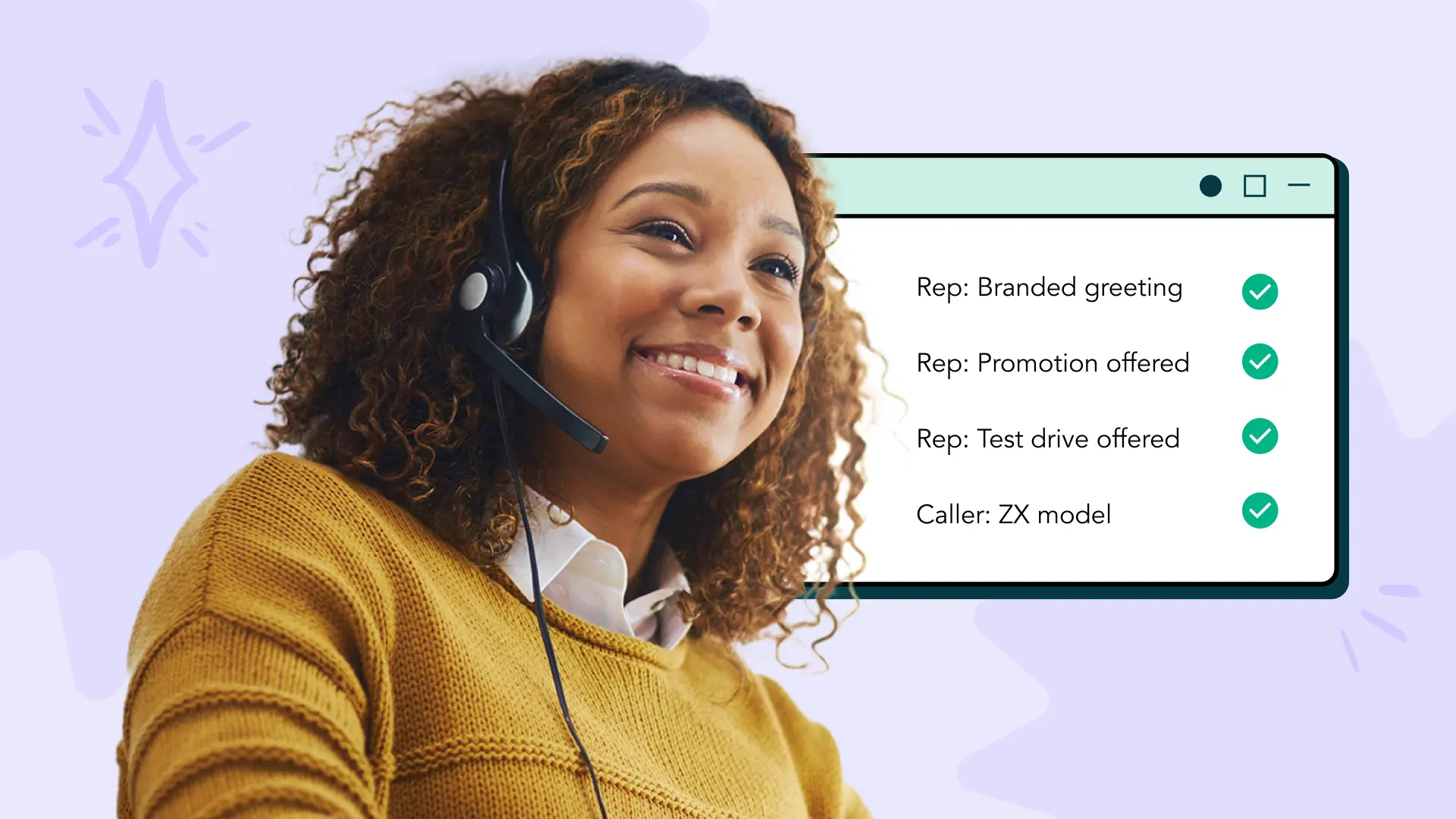
Call centres handle thousands of conversations every day. Each call gives clues about what customers need and expect from your brand. A speech analytics call centre setup helps uncover these clues by turning spoken words into clear, useful data.
The technology is becoming essential. The global speech analytics market is expected to grow from $3.3 billion in 2024 to $7.3 billion by 2029. That growth shows how much businesses rely on data to understand customer conversations.
This guide explains what speech analytics is, how it works, and how it can help your call centre. You'll see how it improves service, supports agents, and helps leaders make smarter decisions.
Main Takeaways:
- Speech analytics gives call centres a complete view of customer conversations. It turns spoken interactions into structured data that teams can use to improve service, efficiency, and results.
- Modern tools help identify what customers need and how agents can respond better. They analyse keywords, sentiment, and tone to uncover patterns that are impossible to find manually.
- By reviewing 100% of calls, supervisors get more accurate insights into agent performance. This leads to fairer evaluations, stronger coaching, and more consistent customer experiences.
- Speech analytics reduces operational waste and supports smarter decision-making. It highlights recurring problems, predicts call volume trends, and helps teams fix issues before they grow.
- The technology helps the whole organisation grow, not just the call centre. Other teams, like marketing, sales, product, and compliance, can use these insights to improve results.
What Is Speech Analytics in Call Centres?
Speech analytics, sometimes called call centre voice analytics, uses AI to review large numbers of customer calls. The system turns spoken words into structured text. AI then analyses the text to find trends, sentiment, and important patterns. These insights help teams improve customer satisfaction, agent performance, and daily operations. The software also automates tasks like call scoring and after-call work. With speech analytics, teams can make clear, data-driven decisions instead of guessing.
Speech Analytics vs. Voice Analytics for Call Centres
Because calls contain both content and emotion, most platforms analyse two things at once:
- Speech analytics: what was said—the words, topics, and intent.
- Voice analytics: how it was said—tone, pitch, pace, stress, or frustration.
Using both together gives teams a fuller picture of customer sentiment and agent performance.
How Do Speech Analytics Tools Work?
Speech analytics starts by recording customer calls from beginning to end. Once a call is captured, the software uses automatic speech recognition (ASR) to turn spoken words into clear, searchable text. This is similar to how chat or email messages are processed, but it works at a much larger scale.
After the text is created, artificial intelligence begins to analyse it. Natural language processing (NLP) and machine learning look for keywords, phrases, changes in tone, and signs of customer intent. Instead of listening to calls one by one, teams get organised data that shows common issues and patterns.
During this step, the system also pulls out important details. It can detect customer sentiment, note agent performance, find the main topics discussed, and check for compliance. This gives call centres a clear picture of what customers are experiencing and where agents may need extra support.
Several technologies work together to make this possible:
- ASR: Turns spoken audio into written text.
- NLP: Finds keywords, themes, and topics.
- NLU: Understands meaning, intent, and context.
- LLMs: Improve accuracy and uncover deeper insights over time.
Speech analytics is not limited to phone calls. Modern platforms can also analyse other text-based interactions, including:
- Chat transcripts
- Email threads
- SMS messages
- Customer surveys
- Helpdesk tickets
By combining all these channels, speech analytics gives teams a full view of customer behavior. It helps them find issues sooner, spot friction in the process, and see how customers move through the support journey.
What Are The Benefits of Speech Analytics for a Call Centre?
Speech analytics yields a large amount of clear, useful data from customer and agent conversations. Here's how a call centre can benefit.
Stronger Customer Experience and Satisfaction
Speech analytics helps teams understand what callers need and where they struggle. The system studies the words people use and links call topics to scores like CSAT or NPS. Leaders can see what causes frustration and fix the real problems.
Agents also get helpful context before a call starts. When they know the customer's history and intent, they can solve issues faster. Many tools also give real-time support. They spot emotional changes and suggest calming phrases, next steps, or helpful articles. These prompts help prevent escalations, shorten calls, and create smoother conversations.
Enhanced Agent Performance and Quality Management
Speech analytics reviews every call, not just a small sample. This gives supervisors a complete and fair view of agent performance. Leaders can see which behaviors lead to good results and which skills need work. Agents get clear, consistent feedback that makes coaching easier.
The technology also improves quality assurance. It replaces guesswork with data-driven scoring. Supervisors can see patterns across all calls and coach agents more effectively. They can also fix repeated issues faster. As agents improve, call quality becomes more consistent. Customer interactions also become more professional.
The table below shows the difference between traditional QA and an AI-powered approach.
Traditional vs. AI-Powered Quality Assurance
| Traditional Quality Assurance | AI-Powered Quality Assurance |
|---|---|
| Manual review of 1-3% of calls | Automated analysis of 100% of calls |
| Subjective scoring | Consistent evaluation criteria |
| Days or weeks for insights | Immediate feedback |
| Limited coaching opportunities | Targeted development |
Increased Operational Efficiency
Speech analytics improves efficiency by cutting down manual review work. The system surfaces important insights automatically. Supervisors no longer need to listen to long recordings. They can see key moments and new issues right away. This gives them more time for coaching, planning, and other important tasks.
Agents also work more efficiently when they have the right information. Many tools show past interactions or helpful articles at the start of the call. Agents spend less time searching for answers while customers wait. As workflows improve, calls move faster. Stress goes down, and productivity goes up across the entire operation.
Cost Reduction
Speech analytics helps call centres reduce costs by making work more efficient. Quick, smooth calls allow agents to help more customers each shift. Teams can manage higher call volumes without hiring more staff.
The insights also help leaders find recurring issues that cause repeat calls. Fixing these problems lowers call volume and reduces labor costs. Managers can predict staffing needs more accurately, which lowers overtime and improves scheduling. Together, these improvements create meaningful cost savings.
Revenue Generation
Speech analytics for call centres increases revenue by revealing customer intent and buying signals. By analysing language patterns and objections, agents can identify when customers are ready to purchase or when they need more information. This helps them personalise conversations and provide support that leads to conversions.
Speech analytics also supports other departments with valuable insights. Product teams learn what customers like or dislike, marketing teams understand which messages resonate, and sales teams gain clearer visibility into customer needs. These insights help the business make smarter decisions and create more opportunities for upselling, cross-selling, and long-term loyalty.
Stronger Compliance
Call centre speech analytics reduces risk by monitoring every call for compliance issues. The system can flag missed disclosures, risky language, or potential violations in real time. Supervisors can step in quickly and fix problems before they grow. With a full audit trail, teams can review calls and resolve disputes more easily.
This is important in fields like healthcare, finance, and insurance, where mistakes can be very costly. Speech analytics ensures agents follow required scripts and protect sensitive information. Real-time monitoring helps organisations avoid major fines, such as $50,000 per HIPAA violation and €20 million under GDPR. It also helps keep customer trust.
Call Centre Speech Analytics Use Cases
Speech analytics can be applied in many parts of a call centre's daily operations. The use cases below show how teams use the technology to solve problems and improve performance across the organisation.
Speech Analytics Use Cases
| Use Case | How It Helps |
|---|---|
| 1. Quality Assurance and Calibration | Automatically scores calls using consistent criteria and highlights key coaching moments. Helps evaluators stay aligned and improves accuracy during calibration. |
| 2. Customer Experience and Sentiment Tracking | Tracks tone and emotion changes during the call. Helps teams spot early frustration and understand what causes negative customer experiences. |
| 3. Sales and Upselling Optimization | Analyzes successful calls to uncover the language, behaviors, and moments that lead to conversions. Supports better training and more effective sales conversations. |
| 4. Compliance Monitoring | Checks calls for required statements, sensitive information handling, and legal compliance. Flags possible violations in real time and maintains a full audit trail. |
| 5. Product and Process Improvement | Reveals frequent complaints, product pain points, and process gaps. Helps teams make data-backed updates to reduce repeat calls and improve service. |
| 6. Marketing Insight | Shows how customers talk about products and promotions. Helps marketing refine messaging, track competitor mentions, and spot early PR risks. |
| 7. Churn Prediction and Retention | Uses sentiment and language patterns to flag at-risk customers and route them to retention specialists. |
| 8. Capacity Planning and Forecasting | Finds trends and sudden spikes in call volume. Helps teams adjust staffing earlier and more accurately. |
Features to Look For in Call Centre Speech Analytics Software
When choosing a speech analytics solution, look for features that give your team accurate insights and make daily work easier.
The most important capabilities include:
- Accurate transcription. Converts calls into clean, searchable text so insights are trustworthy. Invoca delivers high-accuracy transcription to support reliable analysis.
- Custom terms and models. Lets you tailor the system to match your industry language or unique use cases. Invoca's Signal AI Studio allows teams to build custom AI signals trained on their own conversations.
- Real-time speech analytics and post-call analysis. Supports quick action during calls and deeper review afterward. Invoca provides real-time call intelligence that can guide routing, coaching, and follow-up.
- Sentiment and emotion detection. Identifies tone, mood, frustration, or urgency. Some platforms also analyse sentiment for both the caller and the agent to support more accurate QA. Invoca's AI can detect emotional cues and caller intent to help teams respond faster and improve outcomes.
- Automatic call scoring. Scores 100% of interactions using consistent criteria for fair, unbiased QA. Invoca's quality management tools help teams evaluate call handling at scale and highlight key coaching moments.
- Trend and topic detection. Groups similar issues and spots new patterns early. Advanced systems can also uncover problems you aren't tracking yet. Invoca can reveal new themes, intent signals, and trends across large numbers of calls.
- Integration capabilities. Connects with CRM, helpdesk, routing, and WFM tools to automate tagging, reporting, and workflows. Invoca integrates with major platforms like Salesforce, Five9, Google, Facebook, and Slack.
- Ease of use. Provides clear dashboards and simple navigation so everyone can work efficiently.
- Scalability. Handles growing call volumes and supports voice, chat, email, SMS, and other digital channels.
- Strong security and compliance. Includes encryption, audit trails, role-based access, and support for regulations like GDPR, HIPAA, and PCI DSS. Invoca meets strict standards like SOC 2 Type 2 and ISO 27001 and complies with GDPR, CCPA, HIPAA, and PCI DSS to protect customer data.
Explore Invoca's call centre quality management software to learn more
How to Get Started With a Speech Analytics Call Centre
Finally, let's briefly look at how best to deploy speech analytics in call centres.
Step 1: Define Your Objectives
Start by setting clear goals for why you want to use speech analytics. You might want better training programs, stronger agent performance, or smoother customer experiences. You may also want the data to help improve customer satisfaction scores.
These goals can overlap, but it's important to define them clearly. Clear objectives make it easier to track progress and measure success.
Step 2: Choose the Right Speech Analytics Tool
Once you set your goals, choose a tool that fits your team and workflow. Each platform works a little differently, so focus on how well it matches your daily operations. Think about questions like:
- Is the tool easy for your team to learn and use?
- What training and onboarding support will you receive?
- Does it fit smoothly into your existing processes and tools?
- Will the vendor support you after launch, and for how long?
Choosing the right tool is about more than features. It's about finding a partner that supports your team as you grow.
Step 3: Train Your Team, Then Run a Pilot Test
Train your team thoroughly so everyone knows how to use the software with confidence. When training is rushed or unclear, results will suffer and agents may lose interest. After training, run a small pilot test to make sure the tool works well in real situations before rolling it out to the entire team.
Step 4: Review the Data and Take Action
Once speech analytics is in place, data starts coming in right away. You can immediately see customer pain points, needs, and levels of satisfaction. This gives you the information you need to act quickly and make improvements.
For example, imagine your business is a health clinic. Your speech analytics data shows that callers struggle to book appointments during peak hours. With this insight, you can set up an Interactive Voice Response (IVR) self-service option that lets callers book on their own. Customers get faster service, and your agents can stay focused on more complex issues.
Step 5: Measure Success and Continuously Improve
Go back to the goals you set in Step 1 and measure your results against them. This shows whether speech analytics is working for your team.
Check your performance regularly. These reviews help you see what's working, what needs adjustment, and how to make the tool even more effective for your business.
Elevate Customer Calls with Invoca
Advanced speech analytics is a transformative technology for call centres, where words truly matter. AI can take in millions of data points and rapidly analyse them for flags, keywords, topics and trends, returning actionable data that call centre managers can use in myriad ways.
A tool like Invoca’s Signal AI Studio illuminates valuable data that you can use to enhance agent training, performance, and productivity. It also opens the door to personalisation and an enhanced level of customer service that improves the call centre customer experience and drives up customer satisfaction.
Signal AI Studio uses proprietary AI that is easy to customise and train, and it’s quick to set up. You simply show Signal AI Studio’s no-code user interface which insights you want to track and measure, and it will display transcribed text from calls that it thinks fits those insights. It learns with every response, so creating a valuable AI model takes very little time, allowing you to delve into call centre data and put it to work for your business faster.

Additional Reading
Looking for more details about the value of using call centre speech analytics? Here are three resources to help you dig deeper into the value of deploying speech analytics in the call centre:
- 6 Powerful Examples of AI in the Contact Centre
- How to Analyse Call Centre Data to Improve Efficiency
- How to Get Started Quickly With Contact Centre Conversation Intelligence
Schedule a free demo to discover for yourself how Invoca’s robust speech analytics solutions can revolutionise your call centre’s performance.
.svg)
.svg)