.svg)


Every customer wants the same two things: consistently good service, and a seamless experience across any channel they choose. That’s why omnichannel customer service has become essential for brands that want to stay competitive and keep their customers loyal.
So, what is omnichannel customer service? In simple terms, it means providing consistent, high-quality support across every channel your customers use, whether they’re online, on social media, in-store, or calling your contact centre. The goal is a unified experience that feels continuous, no matter where an interaction begins or ends.
Achieving that, however, is rarely simple. Many customer journeys still stretch across siloed channels, disconnected data, and service teams that lack shared context. Without a unified omnichannel customer service platform, delivering a seamless experience becomes difficult — and customers feel the friction.
In this article, we’ll look at the key concepts and benefits of developing an omnichannel customer service platform. We’ll also discuss how the latest AI-driven technologies can bridge gaps in your omnichannel customer service platform and enable your teams to deliver a smoother, more cohesive customer experience across every channel.
Main Takeaways
- Omnichannel = a connected customer experience. Success depends on seamless integration across all channels, not just offering multiple ways to engage.
- Customers want personalised, frictionless interactions, and many will quickly switch brands if their expectations aren’t met.
- Omnichannel strategies can help brands enhance customer satisfaction, drive greater customer spend and loyalty, and increase revenue.
- AI enables omnichannel customer service. Unified data and AI-powered tools are critical to scaling and delivering consistent, high-quality experiences.
What Is Omnichannel Customer Service?
So, what does omnichannel customer service look like in practice? Think about how most major airlines let customers engage across multiple touchpoints — mobile apps, websites, social media, live chat, phone calls, or even in-person visits at the airport or a travel agency. That range of options is the starting point for an omnichannel experience.
But simply offering multiple channels isn’t enough. What makes the experience truly seamless is connectivity. No matter how or where a customer reaches out, the interaction feels consistent, and the context carries forward. Behind the scenes, systems, data, and service teams are integrated so each conversation builds on the last, rather than forcing customers to repeat themselves or start over.
That’s the essence of omnichannel customer service: multiple ways to connect, but one continuous conversation.
Omnichannel vs. Multichannel Customer Service: Key Differences
The terms “multichannel” and “omnichannel” are often used interchangeably, but they’re not the same. The key difference is integration. Multichannel customer service offers multiple ways for customers to get in touch, but those channels often operate in silos. Omnichannel customer service, by contrast, connects those channels behind the scenes, so context, data, and conversation history flow seamlessly from one interaction to the next.
In short, multichannel is about choice. Omnichannel is about continuity. Here’s a simple example of how those experiences differ in practice:
Multichannel customer: A customer selects a health insurance policy in a mobile app but doesn’t complete the purchase. Later, when they visit the company’s website, the cart is empty. They then call customer service to explain what they’re looking for and are transferred between multiple agents before they can finish the transaction.
Omnichannel customer: A customer selects a policy online but pauses before checkout. Later, they receive a reminder text. When they open the insurer’s app, the policy is still in their cart — with their information intact — so they can complete the purchase immediately. No repetition. No transfers. Just a seamless continuation of the same conversation.
Why Does Omnichannel Customer Service Matter?
Those customer journey examples make one thing clear: How you connect your channels matters as much as which channels you offer. Omnichannel customer service reduces the friction customers experience when they’re forced to start over, repeat themselves, or jump between channels to complete a basic transaction or resolve a simple issue. Done well, it transforms a patchwork of touchpoints into a single, continuous experience with meaningful implications for customer satisfaction, loyalty, and revenue.
Here’s a closer look at some top reasons omnichannel customer service matters:
- Customer expectations: According to McKinsey, 71% of consumers expect companies to deliver personalised interactions, and 76% will switch to another brand if they don’t get the experience they’re looking for.
- Competitive advantage: Many organisations still struggle to deliver true omnichannel experiences. A survey by Manhattan Associates found that only 17% of retailers rated their omnichannel capabilities as mature, while 38% were still in the process of deploying them, leaving room for leaders to stand out.
- Operational efficiency: Omnichannel strategies reduce complexity by unifying service across channels. Instead of managing separate workflows and data collection for each touchpoint, teams operate from a shared view of the customer, improving efficiency and consistency.
- Revenue impact: Omnichannel engagement can directly drive growth. In an analysis of its record-breaking Q2 2020 revenue, Target found that customers using multiple shopping channels spent significantly more than single-channel shoppers. This contributed to a nearly 25% sales increase for the retailer during that period.
Essential Channels in Omnichannel Customer Service
So, what are the main omnichannel communication channels? In a digitally transformed business environment, these four are essential.
1. Phone and Voice
Despite the growth of digital self-service, voice remains critical, especially for high-stakes purchases like insurance, financial products, or vehicles. Research from Invoca shows that nearly nine in 10 consumers feel more confident completing a major purchase after speaking with a real person rather than clicking online.
In a true omnichannel customer service strategy, phone calls aren’t separate from the digital journey — they’re an extension of it. AI-driven conversation intelligence platforms like Invoca can digitise and analyse every call, connecting offline conversations with online behavior. The result is a unified, end-to-end view of the customer experience, where voice interactions carry the same context, continuity, and insight as digital ones.
2. Live Chat
Live chat support is a popular channel, particularly among younger customers, because it’s fast, convenient, and available directly on a website or within an app. As a form of synchronous messaging, live chat relies on real-time responses between customers and agents, making it well-suited for quick questions and issue resolution.
One limitation is that live chat requires both parties to stay engaged. If a customer steps away or an agent pauses the conversation, the interaction can be interrupted. That said, chat histories often persist across sessions and devices, allowing customers and agents to pick up where they left off, which helps preserve continuity within an omnichannel customer service experience.
3. Social Media
Social media has become a mainstream customer service channel on a global scale. About 5.5 billion people, or nearly two-thirds of the world’s population, now use social platforms, and that number is projected to exceed 6 billion by 2028. As adoption has surged (up from fewer than 4 billion users in 2020), social media has evolved into a powerful space for customer support, where consumers can engage with brands through public posts, comments, or private direct messages (DMs).
For brands willing to meet customers where they are, social media offers more than just another service channel. Social interactions can reveal richer context than transactional data alone, surfacing preferences, behaviors, and even sentiment. When integrated into an omnichannel strategy, this information helps brands create more complete, 360-degree views of customers and respond to their audience’s needs and preferences more effectively
4. SMS And Messaging Apps
Text messaging apps, like WhatsApp and Facebook Messenger, are examples of asynchronous messaging, meaning they don’t require immediate, real-time responses. This gives the customer the flexibility to reply when it’s convenient for them — whether that’s minutes or hours later — without losing context.
For customers open to ongoing dialogue with brands, asynchronous text messaging creates a flexible, personalised service experience that unfolds on the customer’s timetable.
What Are the Benefits of Omnichannel Customer Service?
The primary goal of an omnichannel customer service platform is to deliver a unified, consistent experience across every interaction. When channels, data, and teams are connected, brands can reduce friction, improve performance, and strengthen customer relationships. Key benefits of this approach include:
1. Higher Customer Satisfaction
Omnichannel customer service delivers consistency and continuity — two of the biggest drivers of customer satisfaction. When customers don’t have to repeat themselves or restart interactions, experiences improve, and higher engagement and loyalty follow.
High-performing omnichannel programs often see CSAT scores above 70%. (For context, Salesforce reports an average CSAT score of 78% across industries, but notes that it can vary widely depending on product, service, customer base, and industry.) Strong Net Promoter Scores (NPS) further reflect the positive impact of connected service experiences.
2. Better Agent Efficiency
Unified customer data and connected channels benefit service teams as much as customers. When agents have access to complete interaction history, along with better tools powered by AI and automation, they can resolve issues faster and with greater confidence. This reduces the average handle time (AHT), improves first-contact resolution, and supports more consistent service quality across the contact centre.
3. Unified Customer Data And Personalisation
An integrated omnichannel approach creates a single, shared view of the customer, enabling more relevant and personalised experiences. When data flows across channels, brands can tailor interactions based on history, preferences, and behavior — much like how Netflix uses viewing patterns to deliver personalised recommendations.
4. Stronger Brand Loyalty
Seamless, connected experiences drive customer retention and long-term loyalty. According to research, purchase rates are up to 250% higher on omnichannel platforms. Companies with strong omnichannel strategies also retain far more of their customers, making consistent cross-channel experiences a powerful lever for loyalty.
Steps to Implement an Omnichannel Strategy
Implementing an omnichannel customer service strategy doesn’t require a massive overhaul all at once. A focused, phased approach delivers better results and reduces risk. Here’s a high-level overview of key steps in the process.
1. Map the Customer Journey
Start by identifying and plotting every customer touchpoint, from initial awareness through post-purchase support. Modern AI-powered tools make this easier than ever by combining digital interactions with voice of the customer (VoC) insights from phone calls. Together, these data sources create a more complete, end-to-end view of the customer journey.
2. Choose the Right Channels
Use your customer journey map to determine which channels matter most to your customers. Focus first on the channels with the highest impact, then expand thoughtfully. Not every channel needs equal investment, but the most important ones must be fully integrated.
3. Integrate Technology and Data
A successful omnichannel customer service platform depends on connected systems and shared data. APIs play a critical role by enabling different tools to exchange information and breaking down silos. The goal is a unified technology foundation that supports consistent service across channels.
4. Pilot and Refine
Avoid launching everything at once. Start with a limited rollout, test performance, and refine based on results. As confidence grows, expand in stages. This iterative approach is more cost-effective and helps ensure each phase delivers measurable value before scaling further.
Using Near Real-Time Data and AI to Power Omnichannel CX
When applied through the right tools and platforms, AI can transform phone conversations into actionable digital data. This helps close a long-standing gap between online channels — where data is easy to capture — and voice interactions, which have traditionally been harder to analyse at scale. With near real-time insights, organisations can connect these channels and deliver more consistent, responsive omnichannel experiences.
Below are several ways conversation analytics data and AI support the omnichannel customer experience.
Passing Digital Journey Data to the Contact Centre
AI-driven tools improve service outcomes by sharing digital journey context with agents before a call is answered. Solutions like Invoca’s PreSense collect data from a caller’s digital touchpoints and surface it to agents via a screen pop.
This near real-time data can include the caller’s phone number, the last page visited, and search terms used to find the business. And with this context at their fingertips, agents can personalise conversations immediately, reducing friction and helping customers feel understood from the first moment of the call.
Intelligent Routing
Near real-time data also powers smarter call routing. By using digital journey signals, intelligent routing connects callers to the most appropriate agent, department, or interactive voice response (IVR) path. This reduces unnecessary transfers, shortens resolution times, and improves the overall experience.
Automated Quality Management and Insights
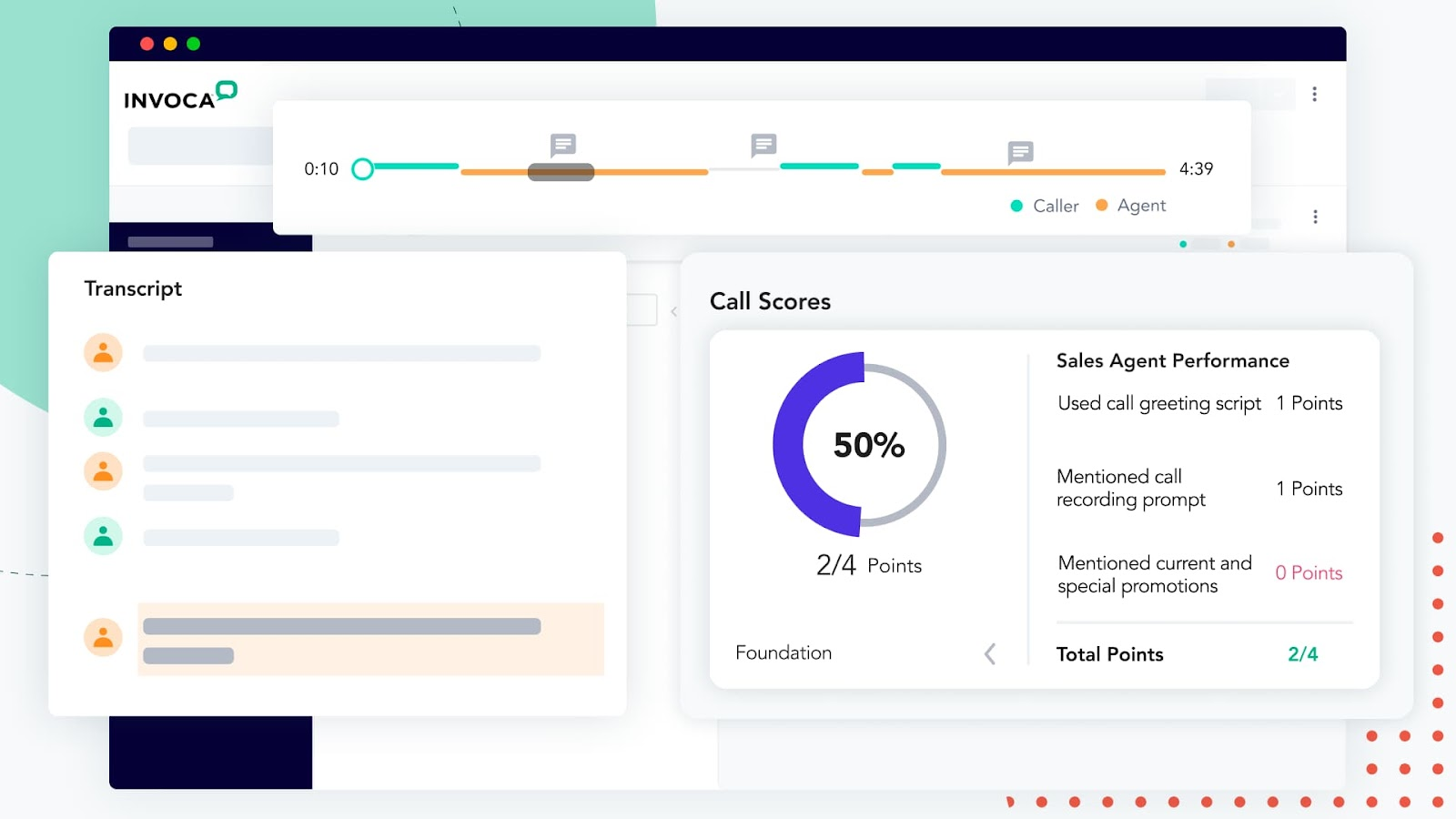
AI can quickly and accurately analyse conversations to score calls for quality management and surface agent coaching opportunities. If an agent is consistently moving off script when a caller voices an objection, for example, the AI will flag this trend so that a supervisor can work with the agent promptly to fix the issue.
Better coaching leads to more confident agents, improved consistency, and higher Customer Satisfaction Score (CSAT) and customer experience (CX) metrics, without relying solely on manual call reviews.
AI-Powered SMS Agents
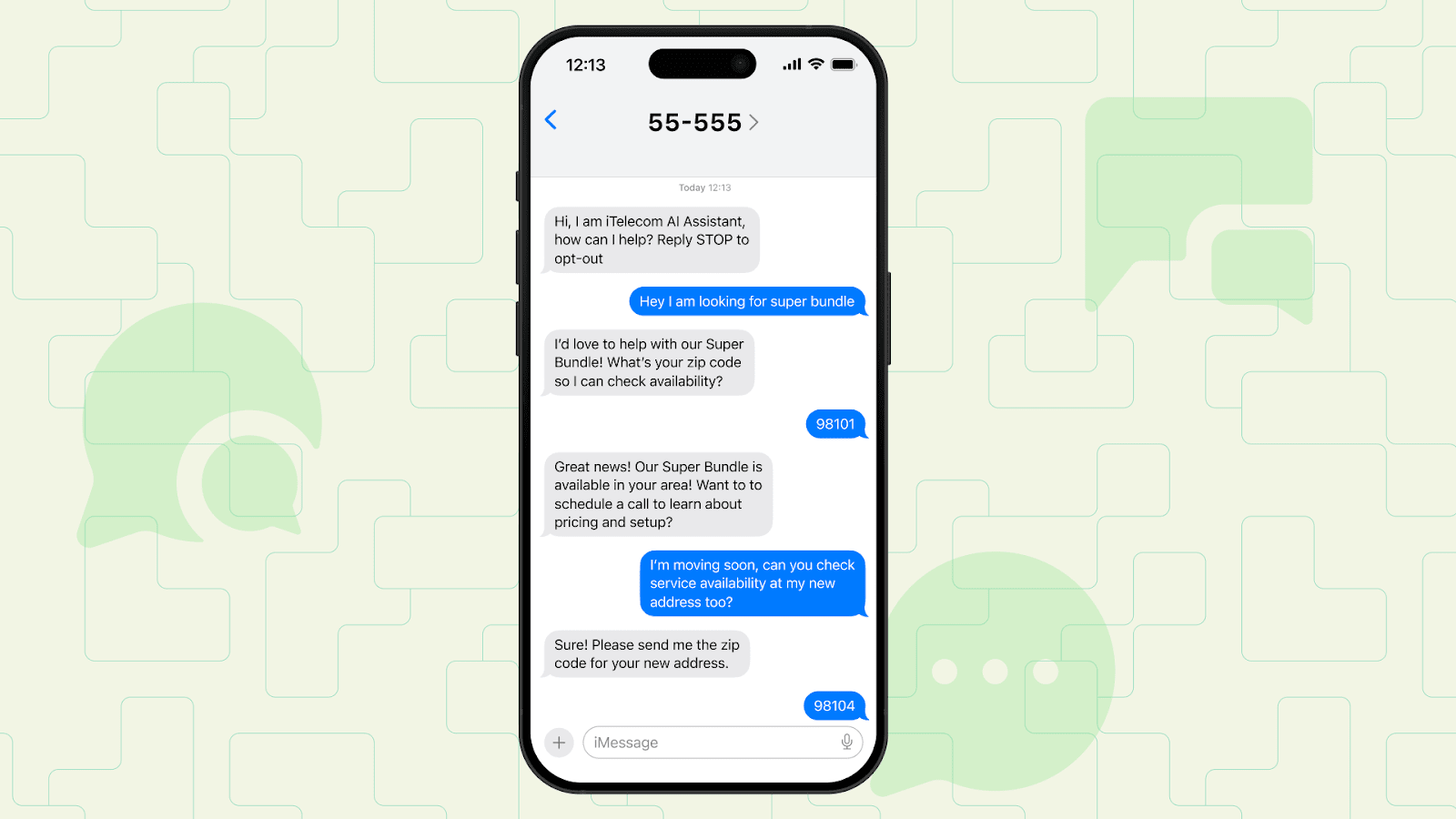
AI is also extending omnichannel service through automated SMS messaging. Invoca’s AI SMS messaging agent, for example, is trained on real customer conversations with top-performing agents, enabling it to respond in a natural, brand-aligned way. Because it connects to digital journey data, the AI can personalise messages based on pages viewed, prior interactions, or repeat visits.
The AI SMS agent is trained not just to offer support but also to drive revenue by helping customers complete purchases or book appointments. Just as important, conversions can be tracked and attributed, giving marketing teams clear visibility into performance across channels.
Common Hurdles and How to Overcome Them
Building an omnichannel customer service platform isn’t effortless, but it’s achievable with the right focus and tools. Most challenges in implementing a platform fall into two areas: technology integration and team adoption.
1. Siloed Systems and Data
Disconnected systems undermine omnichannel communication. Integration is essential — whether through APIs, middleware, or a centralised integration layer — to help ensure data flows across channels. Just as important is choosing tools designed to integrate easily with existing contact centre and enterprise platforms.
Invoca integrates with the systems that matter most for delivering omnichannel customer service — helping teams connect customer data across channels without adding complexity. This includes leading customer relationship management (CRM) platforms like Salesforce and HubSpot, along with a broad ecosystem of customer data, CX, and contact centre technologies — so every interaction is informed, connected, and continuous.
2. Agent Training and Adoption
Successful omnichannel customer service depends on agent adoption. Training needs to match the experience you expect agents to deliver, not just the technology you deploy.
Align agents closely with the tools and workflows you’ve chosen so they can get full value from your investment. Provide targeted training on new technology, and reinforce it with ongoing quality management. Use insights from real customer interactions to continuously coach both soft skills and complex tasks like objection handling.
How to Measure Success in Omnichannel CX: Key Metrics and KPIs
Omnichannel customer service isn’t effective unless it delivers measurable results. Tracking the right key performance indicators (KPIs) helps organisations understand how well channels work together, how efficiently teams operate, and how customer interactions contribute to retention and revenue. These metrics provide a practical starting point.
- First contact resolution (FCR): Measures how often issues are resolved on the first interaction — a critical indicator of reduced customer effort. Research shows 60% of businesses that monitor FCR for a year see up to a 30% performance improvement.
- Customer satisfaction score: CSAT captures how satisfied customers are with individual interactions across channels, with both channel-level and unified scores offering insight into friction points and overall CX health.
- Average handle time (AHT): The AHT metric reflects efficiency, but must be balanced with quality, since customers are quick to switch brands after a single bad experience. Agents also resolve issues faster when they have full context from the outset.
- Conversion rate: Indicates how well service interactions move customers toward a purchase. It requires unified data — from tools like Google Analytics, Invoca, and Meta — connected through the CRM system to reveal cross-channel performance.
Get More from Every Customer Conversation with Invoca
Delivering a consistent, integrated experience across all channels is no longer a differentiator for brands; it’s a business necessity. Omnichannel customer service drives stronger results across customer satisfaction, agent performance, and operational efficiency, but only when marketing and contact centre teams work from shared data, aligned KPIs, and a unified customer view.
Achieving this requires tools that fit naturally into your tech stack and use AI to connect the dots across every interaction. Invoca helps make that possible. Our AI-powered solutions unify digital and voice interactions, bridging the gap between online and offline customer service to create a complete picture of the customer journey. Intelligent routing, automated quality management, and our new AI SMS messaging agent further enhance the experience by personalising interactions, reducing friction, and driving better outcomes.
To see how Invoca can help you build a true omnichannel customer service platform, book a demo with us today.
Additional Reading
Want more tips for developing an omnichannel customer service experience that exceeds customer expectations? Check out these resources from Invoca:
- Customer Service vs. Customer Experience: Key Differences
- Creating an Omnichannel Customer Journey: Top Strategies
- Omnichannel Contact Centre: A Quick Guide for 2025

.svg)
.svg)